
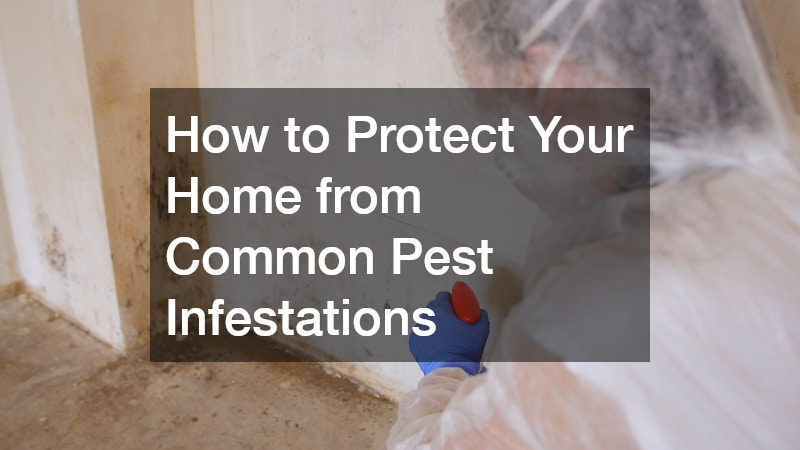
Keeping your home free from unwanted pests is one of the most important parts of maintaining a safe, comfortable living environment. From insects that contaminate food to pests that quietly damage your home’s structure, infestations can quickly become overwhelming if left unchecked. The good news is that with the right preventative strategies and a proactive mindset, homeowners can significantly reduce the risk of infestations before they start.
This guide will walk you through practical, easy-to-follow steps to protect your home, spot early warning signs, and take action when needed. Whether you’re dealing with occasional intruders or looking to prevent future problems, these strategies will help you stay one step ahead.
Identify Early Warning Signs of Pest Activity
One of the most effective ways to protect your home is to catch pest problems early. The sooner you identify an issue, the easier it is to resolve without major disruption or damage.
Start by looking for subtle signs of activity. Small droppings in cabinets or along baseboards often indicate rodents or insects. Chewed food packaging, gnawed wires, or damaged wood can point to a more serious issue developing behind the scenes. You may also notice unusual odors, grease marks along walls, or scratching sounds—especially at night.
Pay close attention to high-risk areas like kitchens, basements, attics, and crawl spaces. These spaces tend to offer warmth, shelter, and access to food or moisture, making them attractive to pests.
If you notice recurring signs or aren’t sure what you’re dealing with, it may be time to consult professional pest control services. Experts can accurately identify the type of infestation and recommend the most effective treatment plan. Early intervention often reduces the need for extensive bug extermination, saving both time and money in the long run.
Seal Entry Points to Keep Pests Out
Pests don’t need large openings to enter your home. Even the smallest cracks or gaps can serve as entry points, which is why sealing your home is a critical step in prevention. In many cases, infestations begin with openings so small they go completely unnoticed during routine cleaning.
Begin by inspecting the exterior of your home thoroughly. Look closely for signs that indicate the need for foundation repair, such as hairline cracks, shifting areas, or uneven surfaces. These weak points often expand over time due to weather changes and settling, creating easy access for pests. Also check around windows and doors for gaps in the frames, and inspect areas where utility lines, vents, or pipes enter the home. These are some of the most common access points for both insects and rodents.
Using high-quality repair sealants, you can close off these vulnerabilities effectively. Silicone-based sealants are ideal for flexible areas like window frames, while more rigid compounds work better for cracks in masonry or concrete. For larger gaps, consider using expanding foam along with sealants to create a long-lasting barrier. Taking the time to seal even minor openings can dramatically reduce pest entry.
Don’t overlook weather stripping around doors and windows. Over time, it can wear down, crack, or loosen, creating gaps that pests can easily exploit. Replacing it is a simple, cost-effective improvement.
Sealing isn’t just about keeping pests out—it also improves energy efficiency and helps prevent moisture issues that can lead to further structural concerns. Regular inspections ensure your home stays protected year-round.
Maintain a Clean and Clutter-Free Environment
A clean home is far less attractive to pests. Food, clutter, and hidden spaces create the perfect environment for infestations to thrive, so consistent upkeep is one of the most effective prevention strategies you can implement.
Start with the kitchen, where crumbs, spills, and improperly stored food can quickly attract insects and rodents. Store dry goods in airtight containers, clean up spills immediately, and take out the trash regularly. Pay special attention to overlooked areas like behind appliances, inside cabinets, and under sinks, where food debris and moisture can accumulate. Even pet food left out overnight can become a reliable food source for pests, so it’s best to store it securely after feeding times.
Clutter is another major contributor. Piles of boxes, paper, and unused items provide hiding spots and breeding grounds. Cardboard, in particular, can attract certain pests because it offers both shelter and material to nest in. Keeping storage areas organized, using plastic bins instead of cardboard, and minimizing unnecessary items reduces these risks significantly.
Regular cleaning routines—vacuuming, wiping down surfaces, and maintaining floors—help eliminate potential attractants. Don’t forget to clean baseboards, corners, and less frequently used spaces where dust and debris build up over time. However, if you’ve maintained a clean home and still notice issues, it may be time to consult a pest control company. Many pest control companies offer preventative maintenance plans that keep your home protected year-round.
Manage Moisture and Eliminate Standing Water
Moisture is one of the biggest factors that attract pests. Many insects, including termites, thrive in damp environments, making water management a crucial part of home protection. Excess moisture doesn’t just invite pests—it creates ideal breeding conditions that allow infestations to grow quickly and go unnoticed.
Start by checking for leaks under sinks, around appliances, and in basements. Even small drips can create a welcoming environment for pests. Pay close attention to hidden areas like behind washing machines, under dishwashers, and near water heaters. Fix leaks promptly and consider using a dehumidifier in areas prone to excess moisture, such as crawl spaces or poorly ventilated basements. Proper ventilation in bathrooms and kitchens also helps reduce humidity levels that attract pests.
Outside, ensure your gutters and downspouts are functioning properly. Water should be directed away from your home’s foundation to prevent pooling. Standing water near your home can seep into structural materials and create long-term moisture problems. Grading your yard so water flows away from the house and installing splash blocks or extensions on downspouts can significantly reduce this risk.
Termites, in particular, are drawn to moisture-rich environments. Implementing proper termite control measures—such as reducing wood-to-soil contact and keeping mulch away from your home—can make a significant difference. Regularly inspect wooden structures like decks and fences for signs of dampness or decay. If you suspect a moisture-related infestation, professional pest control services can assess the situation and provide targeted solutions.
Protect Your Yard and Exterior Spaces
Your yard plays a major role in pest prevention. Overgrown vegetation, debris, and standing water can all contribute to infestations that eventually make their way indoors.
Keep shrubs, trees, and plants trimmed and at least a few feet away from your home’s exterior. This reduces the likelihood of pests using branches as bridges to enter your home. Remove leaf piles, fallen branches, and other debris that can serve as hiding spots.
Be cautious of nests, especially those built by stinging insects. If you notice increased activity around eaves, trees, or outdoor structures, avoid disturbing the area. A professional yellow jacket exterminator can safely remove nests and reduce the risk of stings.
For ongoing maintenance, working with a local exterminator can be beneficial. They understand regional pest patterns and can recommend seasonal treatments to keep your yard and home protected throughout the year.
Use Preventative Treatments and Barriers
Preventative treatments are one of the most reliable ways to stop infestations before they ever take hold. Instead of reacting to a visible problem, these methods focus on creating a long-lasting defense system that makes your home far less attractive and accessible to pests.
Perimeter treatments are a key component of this approach. By applying targeted products around the exterior—especially near entry points like doors, windows, and the base of the home—you create a protective barrier that deters pests from crossing into your living space. These treatments are not one-size-fits-all; they can be adjusted based on seasonal pest activity, local climate conditions, and the specific vulnerabilities of your property. Working with a pest control company ensures that the products and application methods are both effective and appropriate for your home.
In addition to general prevention, termite control should be a top priority for homeowners. Termites often remain hidden for long periods, quietly damaging wood structures before any visible signs appear. Preventative termite control methods, such as soil treatments around the home’s perimeter and strategically placed bait systems, help intercept termite activity early. Regular inspections further strengthen this strategy by identifying potential risks before they escalate.
For those concerned about safety, many modern solutions are designed with both effectiveness and environmental responsibility in mind. Today’s treatments often use low-toxicity formulas that are safe for families, pets, and surrounding landscaping, while still providing strong, lasting protection.
Safeguard Bedrooms and Furniture from Infestations
Bedrooms and upholstered furniture are some of the most vulnerable areas in any home when it comes to pest activity, especially bed bugs. These pests are small, elusive, and excellent at hiding in tight spaces, which allows them to spread quickly before they’re even noticed. Because of this, prevention and early detection are absolutely essential to avoiding a larger infestation.
Developing a routine inspection habit can make a significant difference. Carefully examine mattress seams, box springs, headboards, and even nearby furniture like nightstands and couches. Pay close attention to cracks, joints, and fabric folds where pests tend to hide. In addition to visible insects, look for small reddish or rust-colored stains, tiny black spots, or shed skins—these are all strong indicators of activity.
Protective mattress and pillow encasements are a simple but highly effective preventative measure. They not only reduce hiding spots but also make it easier to spot any early signs. Vacuuming frequently, especially around bed frames and baseboards, can further minimize risk.
Travel is one of the most common ways infestations begin. Always inspect hotel mattresses and furniture before settling in, keep luggage on racks instead of the floor, and avoid placing personal items on beds or upholstered surfaces. Once home, immediately wash and dry clothing on high heat.
If any signs appear, prompt bed bug treatment is crucial. These pests can spread rapidly, and surface-level solutions rarely address the full problem. Professional bug extermination ensures a comprehensive approach, targeting hidden areas and preventing reinfestation.
Know When to Call in the Professionals
While many prevention methods can be handled independently, some situations require professional expertise. Knowing when to call for help can prevent small issues from becoming major problems and save you from costly repairs down the line.
One clear sign it’s time to bring in professionals is when an infestation keeps returning despite your efforts. Recurring issues often indicate that the root cause hasn’t been addressed. Similarly, if you notice structural damage—such as hollow-sounding wood, sagging floors, or crumbling materials—it’s critical to act quickly before the damage worsens.
Certain pests also pose safety risks. Stinging insects, aggressive rodents, or large infestations should never be handled without proper equipment and training. Attempting to deal with these on your own can lead to injury or spread the problem further throughout your home.
Professional inspections go beyond surface-level observations. Experts know where to look for hidden activity—inside walls, under flooring, and in crawl spaces. They can accurately assess the severity of the issue and create a targeted treatment plan that addresses both the infestation and its source.
When evaluating pest control companies, prioritize those that are licensed, insured, and transparent about their process. Ask about inspection protocols, treatment frequency, and guarantees. A reputable provider will take the time to explain their approach and answer your questions clearly.
Working with a reliable local exterminator also provides long-term value. They can monitor your home over time, adjust treatments as needed, and help you stay ahead of seasonal pest activity with ongoing preventative care.
Take Control of Your Home and Keep Pests Out for Good
Protecting your home from pests requires a combination of awareness, maintenance, and timely action. By staying vigilant, addressing vulnerabilities, and maintaining a clean and well-sealed environment, you can significantly reduce the risk of infestations.
The key is consistency. Small efforts—like sealing gaps, managing moisture, and monitoring for early signs—can prevent major problems down the line. And when needed, professional support can ensure that issues are handled effectively and safely.
With the right approach, you can keep your home comfortable, secure, and pest-free throughout the year.
Keeping your home free from unwanted pests is one of the most important parts of maintaining a safe, comfortable living environment. From insects that contaminate food to pests that quietly damage your home’s structure, infestations can quickly become overwhelming if left unchecked. The good news is that with the right preventative strategies and a proactive mindset, homeowners can significantly reduce the risk of infestations before they start.
This guide will walk you through practical, easy-to-follow steps to protect your home, spot early warning signs, and take action when needed. Whether you’re dealing with occasional intruders or looking to prevent future problems, these strategies will help you stay one step ahead.
Identify Early Warning Signs of Pest Activity
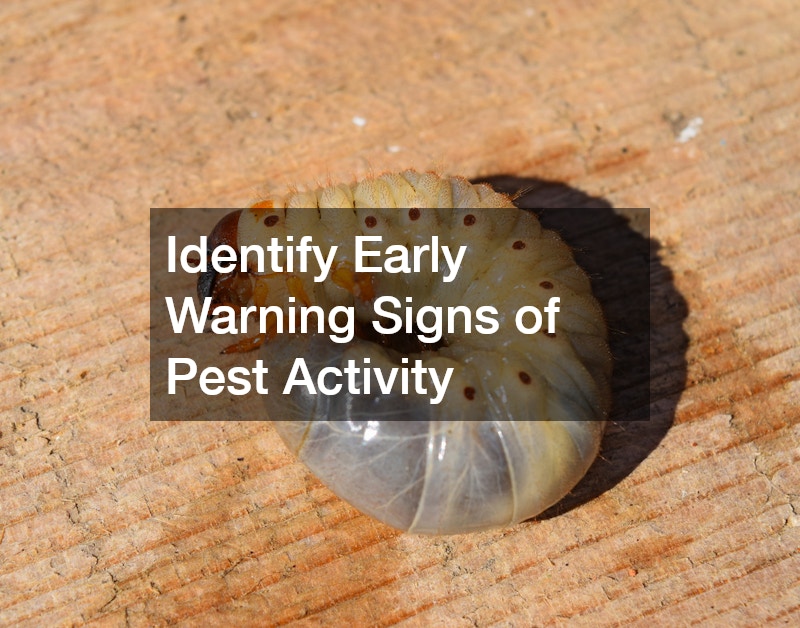
One of the most effective ways to protect your home is to catch pest problems early. The sooner you identify an issue, the easier it is to resolve without major disruption or damage.
Start by looking for subtle signs of activity. Small droppings in cabinets or along baseboards often indicate rodents or insects. Chewed food packaging, gnawed wires, or damaged wood can point to a more serious issue developing behind the scenes. You may also notice unusual odors, grease marks along walls, or scratching sounds—especially at night.
Pay close attention to high-risk areas like kitchens, basements, attics, and crawl spaces. These spaces tend to offer warmth, shelter, and access to food or moisture, making them attractive to pests.
If you notice recurring signs or aren’t sure what you’re dealing with, it may be time to consult professional pest control services. Experts can accurately identify the type of infestation and recommend the most effective treatment plan. Early intervention often reduces the need for extensive bug extermination, saving both time and money in the long run.
Seal Entry Points to Keep Pests Out
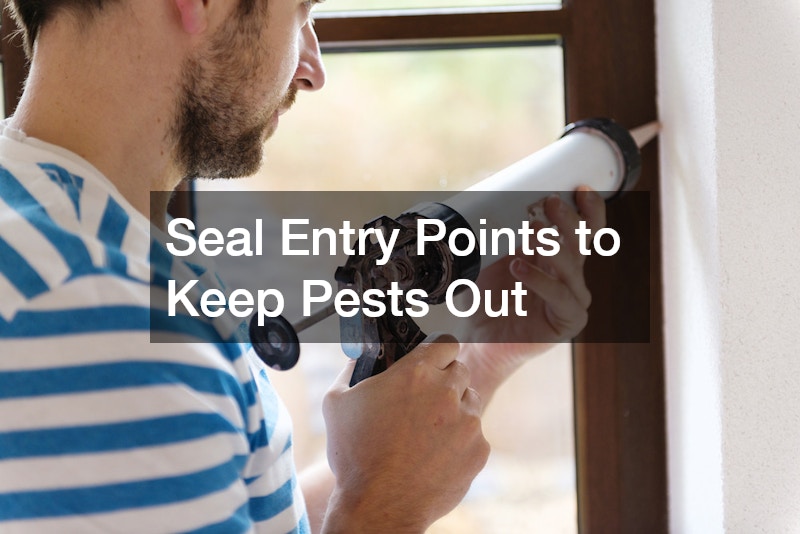
Pests don’t need large openings to enter your home. Even the smallest cracks or gaps can serve as entry points, which is why sealing your home is a critical step in prevention. In many cases, infestations begin with openings so small they go completely unnoticed during routine cleaning.
Begin by inspecting the exterior of your home thoroughly. Look closely for signs that indicate the need for foundation repair, such as hairline cracks, shifting areas, or uneven surfaces. These weak points often expand over time due to weather changes and settling, creating easy access for pests. Also check around windows and doors for gaps in the frames, and inspect areas where utility lines, vents, or pipes enter the home. These are some of the most common access points for both insects and rodents.
Using high-quality repair sealants, you can close off these vulnerabilities effectively. Silicone-based sealants are ideal for flexible areas like window frames, while more rigid compounds work better for cracks in masonry or concrete. For larger gaps, consider using expanding foam along with sealants to create a long-lasting barrier. Taking the time to seal even minor openings can dramatically reduce pest entry.
Don’t overlook weather stripping around doors and windows. Over time, it can wear down, crack, or loosen, creating gaps that pests can easily exploit. Replacing it is a simple, cost-effective improvement.
Sealing isn’t just about keeping pests out—it also improves energy efficiency and helps prevent moisture issues that can lead to further structural concerns. Regular inspections ensure your home stays protected year-round.
Maintain a Clean and Clutter-Free Environment
A clean home is far less attractive to pests. Food, clutter, and hidden spaces create the perfect environment for infestations to thrive, so consistent upkeep is one of the most effective prevention strategies you can implement.
Start with the kitchen, where crumbs, spills, and improperly stored food can quickly attract insects and rodents. Store dry goods in airtight containers, clean up spills immediately, and take out the trash regularly. Pay special attention to overlooked areas like behind appliances, inside cabinets, and under sinks, where food debris and moisture can accumulate. Even pet food left out overnight can become a reliable food source for pests, so it’s best to store it securely after feeding times.
Clutter is another major contributor. Piles of boxes, paper, and unused items provide hiding spots and breeding grounds. Cardboard, in particular, can attract certain pests because it offers both shelter and material to nest in. Keeping storage areas organized, using plastic bins instead of cardboard, and minimizing unnecessary items reduces these risks significantly.
Regular cleaning routines—vacuuming, wiping down surfaces, and maintaining floors—help eliminate potential attractants. Don’t forget to clean baseboards, corners, and less frequently used spaces where dust and debris build up over time. However, if you’ve maintained a clean home and still notice issues, it may be time to consult a pest control company. Many pest control companies offer preventative maintenance plans that keep your home protected year-round.
Manage Moisture and Eliminate Standing Water
Moisture is one of the biggest factors that attracts pests. Many insects, including termites, thrive in damp environments, making water management a crucial part of home protection. Excess moisture doesn’t just invite pests—it creates ideal breeding conditions that allow infestations to grow quickly and go unnoticed.
Start by checking for leaks under sinks, around appliances, and in basements. Even small drips can create a welcoming environment for pests. Pay close attention to hidden areas like behind washing machines, under dishwashers, and near water heaters. Fix leaks promptly and consider using a dehumidifier in areas prone to excess moisture, such as crawl spaces or poorly ventilated basements. Proper ventilation in bathrooms and kitchens also helps reduce humidity levels that attract pests.
Outside, ensure your gutters and downspouts are functioning properly. Water should be directed away from your home’s foundation to prevent pooling. Standing water near your home can seep into structural materials and create long-term moisture problems. Grading your yard so water flows away from the house and installing splash blocks or extensions on downspouts can significantly reduce this risk.
Termites, in particular, are drawn to moisture-rich environments. Implementing proper termite control measures—such as reducing wood-to-soil contact and keeping mulch away from your home—can make a significant difference. Regularly inspect wooden structures like decks and fences for signs of dampness or decay. If you suspect a moisture-related infestation, professional pest control services can assess the situation and provide targeted solutions.
Protect Your Yard and Exterior Spaces
Your yard plays a major role in pest prevention. Overgrown vegetation, debris, and standing water can all contribute to infestations that eventually make their way indoors.
Keep shrubs, trees, and plants trimmed and at least a few feet away from your home’s exterior. This reduces the likelihood of pests using branches as bridges to enter your home. Remove leaf piles, fallen branches, and other debris that can serve as hiding spots.
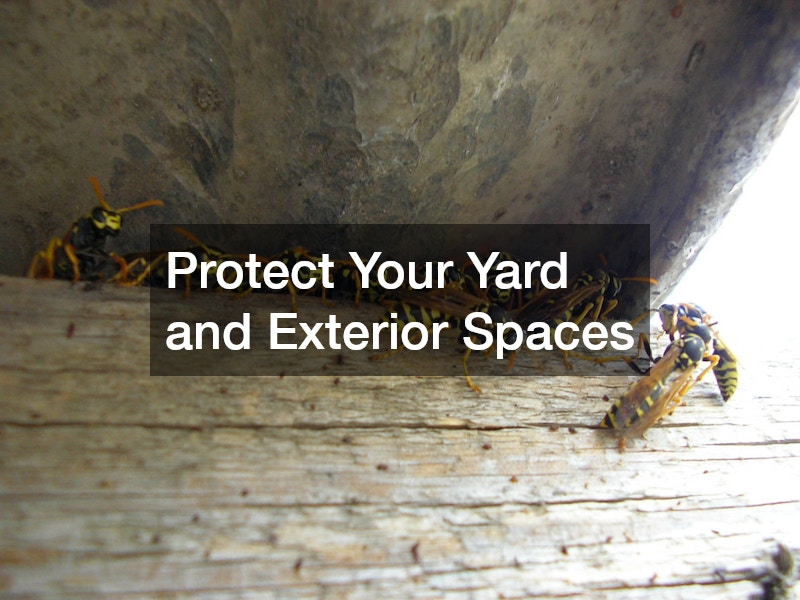
Be cautious of nests, especially those built by stinging insects. If you notice increased activity around eaves, trees, or outdoor structures, avoid disturbing the area. A professional yellow jacket exterminator can safely remove nests and reduce the risk of stings.
For ongoing maintenance, working with a local exterminator can be beneficial. They understand regional pest patterns and can recommend seasonal treatments to keep your yard and home protected throughout the year.
Use Preventative Treatments and Barriers
Preventative treatments are one of the most reliable ways to stop infestations before they ever take hold. Instead of reacting to a visible problem, these methods focus on creating a long-lasting defense system that makes your home far less attractive and accessible to pests.
Perimeter treatments are a key component of this approach. By applying targeted products around the exterior—especially near entry points like doors, windows, and the base of the home—you create a protective barrier that deters pests from crossing into your living space. These treatments are not one-size-fits-all; they can be adjusted based on seasonal pest activity, local climate conditions, and the specific vulnerabilities of your property. Working with a pest control company ensures that the products and application methods are both effective and appropriate for your home.
In addition to general prevention, termite control should be a top priority for homeowners. Termites often remain hidden for long periods, quietly damaging wood structures before any visible signs appear. Preventative termite control methods, such as soil treatments around the home’s perimeter and strategically placed bait systems, help intercept termite activity early. Regular inspections further strengthen this strategy by identifying potential risks before they escalate.
For those concerned about safety, many modern solutions are designed with both effectiveness and environmental responsibility in mind. Today’s treatments often use low-toxicity formulas that are safe for families, pets, and surrounding landscaping, while still providing strong, lasting protection.
Safeguard Bedrooms and Furniture from Infestations
Bedrooms and upholstered furniture are some of the most vulnerable areas in any home when it comes to pest activity, especially bed bugs. These pests are small, elusive, and excellent at hiding in tight spaces, which allows them to spread quickly before they’re even noticed. Because of this, prevention and early detection are absolutely essential to avoiding a larger infestation.
Developing a routine inspection habit can make a significant difference. Carefully examine mattress seams, box springs, headboards, and even nearby furniture like nightstands and couches. Pay close attention to cracks, joints, and fabric folds where pests tend to hide. In addition to visible insects, look for small reddish or rust-colored stains, tiny black spots, or shed skins—these are all strong indicators of activity.
Protective mattress and pillow encasements are a simple but highly effective preventative measure. They not only reduce hiding spots but also make it easier to spot any early signs. Vacuuming frequently, especially around bed frames and baseboards, can further minimize risk.
Travel is one of the most common ways infestations begin. Always inspect hotel mattresses and furniture before settling in, keep luggage on racks instead of the floor, and avoid placing personal items on beds or upholstered surfaces. Once home, immediately wash and dry clothing on high heat.
If any signs appear, prompt bed bug treatment is crucial. These pests can spread rapidly, and surface-level solutions rarely address the full problem. Professional bug extermination ensures a comprehensive approach, targeting hidden areas and preventing reinfestation.
Know When to Call in the Professionals
While many prevention methods can be handled independently, some situations require professional expertise. Knowing when to call for help can prevent small issues from becoming major problems and save you from costly repairs down the line.
One clear sign it’s time to bring in professionals is when an infestation keeps returning despite your efforts. Recurring issues often indicate that the root cause hasn’t been addressed. Similarly, if you notice structural damage—such as hollow-sounding wood, sagging floors, or crumbling materials—it’s critical to act quickly before the damage worsens.
Certain pests also pose safety risks. Stinging insects, aggressive rodents, or large infestations should never be handled without proper equipment and training. Attempting to deal with these on your own can lead to injury or spread the problem further throughout your home.
Professional inspections go beyond surface-level observations. Experts know where to look for hidden activity—inside walls, under flooring, and in crawl spaces. They can accurately assess the severity of the issue and create a targeted treatment plan that addresses both the infestation and its source.
When evaluating pest control companies, prioritize those that are licensed, insured, and transparent about their process. Ask about inspection protocols, treatment frequency, and guarantees. A reputable provider will take the time to explain their approach and answer your questions clearly.
Working with a reliable local exterminator also provides long-term value. They can monitor your home over time, adjust treatments as needed, and help you stay ahead of seasonal pest activity with ongoing preventative care.
Take Control of Your Home and Keep Pests Out for Good
Protecting your home from pests requires a combination of awareness, maintenance, and timely action. By staying vigilant, addressing vulnerabilities, and maintaining a clean and well-sealed environment, you can significantly reduce the risk of infestations.
The key is consistency. Small efforts—like sealing gaps, managing moisture, and monitoring for early signs—can prevent major problems down the line. And when needed, professional support can ensure that issues are handled effectively and safely.
With the right approach, you can keep your home comfortable, secure, and pest-free throughout the year.
