
Introduction: Why Strategic Home Services Matter for Long-Term Property Value
A well-maintained home is more than just a comfortable place to live. It is also a valuable financial asset that requires ongoing care and attention. While many homeowners focus on repairs only when something breaks, a proactive approach to maintenance and improvements can significantly reduce long-term costs while enhancing comfort, efficiency, and appearance.
Every home relies on a combination of systems and structural elements that work together to support daily life. Heating and cooling equipment regulates indoor temperatures. Plumbing systems provide clean water and remove waste. Exterior features protect the structure from weather while contributing to curb appeal. Outdoor improvements increase functionality and help create inviting living spaces.
When one component is neglected, the effects can spread throughout the property. A drainage problem can damage foundations. Aging exterior materials may allow moisture intrusion. Poorly maintained mechanical systems often operate inefficiently and become more prone to breakdowns. By addressing concerns early, homeowners can avoid many expensive repairs and preserve the overall condition of the property.
Strategic home services also play an important role in energy efficiency. Modern equipment, preventative maintenance, and thoughtful upgrades often reduce utility costs while improving reliability. These improvements can make a noticeable difference in everyday comfort while supporting long-term sustainability goals.
Another benefit of proactive homeownership is improved property value. Homes that receive regular maintenance and strategic upgrades are often more attractive to buyers because they present fewer concerns during inspections and demonstrate responsible ownership.
The following guide explores essential services that help homeowners maintain comfortable living environments, improve efficiency, enhance curb appeal, and protect one of their most important investments.
Evaluate Your Property and Prioritize Improvements That Deliver the Greatest Impact

Before beginning any major repair or upgrade project, homeowners should conduct a thorough evaluation of their property. Understanding the condition of key systems and structural components helps ensure maintenance budgets are spent effectively.
A property assessment should include:
- Interior systems
- Exterior materials
- Roofing components
- Drainage systems
- Landscaping features
Key goals include:
- Identifying safety concerns
- Finding hidden maintenance issues
- Prioritizing repairs
- Planning future upgrades
Benefits of regular property evaluations include:
- Reduced repair costs
- Better budgeting
- Improved system reliability
- Increased home value
Homeowners should document:
- Inspection findings
- Repair history
- Upgrade records
- Warranty information
This information helps create a long-term maintenance strategy that supports both comfort and property protection.
Improve Indoor Comfort by Addressing Cooling System Issues Early
A reliable cooling system is essential for maintaining indoor comfort during warmer months. Unfortunately, many homeowners ignore small performance issues until they develop into major breakdowns.
Scheduling AC repair at the first sign of trouble can help prevent more expensive problems while improving efficiency.
Common warning signs include:
- Weak airflow
- Uneven temperatures
- Frequent cycling
- Strange noises
- Rising utility bills
Routine maintenance often includes:
- Filter replacement
- Coil cleaning
- Electrical inspections
- Airflow testing
- Thermostat evaluation
Benefits of preventative service include:
- Improved comfort
- Lower energy costs
- Better indoor air quality
- Extended equipment lifespan
- Reduced repair expenses
Homeowners can also improve performance by:
- Sealing air leaks
- Maintaining insulation
- Keeping vents unobstructed
- Using programmable thermostats
Addressing cooling concerns proactively helps ensure dependable operation during periods of high demand.
Prepare for Seasonal Temperature Changes Before They Affect Comfort

Heating equipment works hardest during the coldest months of the year. Waiting until temperatures drop before addressing performance concerns often results in inconvenient and expensive emergency service calls.
Professional heater repairs help improve reliability while reducing the risk of unexpected breakdowns.
Warning signs that heating equipment may require attention include:
- Uneven heating
- Delayed startup
- Unusual odors
- Frequent cycling
- Increased energy usage
Routine maintenance often involves:
- Cleaning components
- Inspecting burners
- Testing controls
- Checking airflow
- Evaluating safety systems
Benefits of preventative heating maintenance include:
- Better comfort
- Improved efficiency
- Lower operating costs
- Enhanced safety
- Longer equipment lifespan
Homeowners should schedule inspections before winter arrives to ensure systems are prepared for increased demand.
Protect Water Access and Maintain Reliable Household Performance
For homeowners who rely on private wells, maintaining a dependable water supply is essential for everyday living. Unlike municipal water systems, private wells require ongoing monitoring and maintenance to ensure water quality, consistent pressure, and reliable performance.
Professional water well services help homeowners identify issues before they disrupt daily activities or lead to expensive repairs.
Common signs that a well system may require attention include:
- Reduced water pressure
- Air sputtering from faucets
- Cloudy water
- Unusual odors or tastes
- Frequent pump cycling
Routine inspections often focus on:
- Pump performance
- Pressure tanks
- Electrical connections
- Water quality
- Well components
Benefits of regular maintenance include:
- Improved water reliability
- Better water quality
- Extended equipment lifespan
- Reduced repair costs
- Early problem detection
Homeowners should also schedule periodic water testing to identify concerns such as:
- Mineral content
- Bacterial contamination
- Sediment levels
- pH imbalances
Proper maintenance helps ensure the well system continues operating efficiently while providing safe and dependable water for the household.
Prevent Water Damage by Addressing Plumbing Issues Promptly
Plumbing systems are responsible for moving clean water into the home and safely removing wastewater. Because much of the plumbing infrastructure is hidden behind walls and beneath floors, problems can develop unnoticed for extended periods.
Timely plumbing repair can prevent minor issues from escalating into significant structural damage.
Common plumbing concerns include:
- Leaking pipes
- Dripping faucets
- Running toilets
- Corroded fixtures
- Low water pressure
Warning signs homeowners should watch for include:
- Water stains
- Damp flooring
- Mold growth
- Musty odors
- Unexpected increases in water bills
Benefits of addressing plumbing issues early include:
- Reduced water waste
- Lower utility costs
- Prevention of structural damage
- Improved system reliability
- Extended plumbing lifespan
Routine maintenance should include inspections of:
- Shutoff valves
- Supply lines
- Water-using appliances
- Visible piping
- Outdoor plumbing fixtures
Homeowners who monitor their plumbing systems regularly are often able to identify issues before they become expensive emergencies.
Manage Rainwater Effectively to Protect Foundations and Landscaping
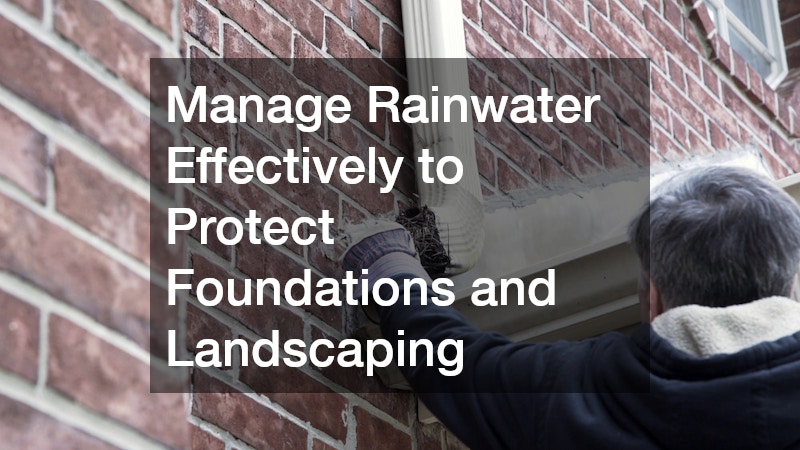
One of the most overlooked aspects of home protection is water management. Roofs direct large amounts of rainwater toward the edges of the home, and without proper drainage systems, that water can create significant problems.
Seamless gutter installations help improve water flow while reducing leaks and maintenance requirements.
Common problems associated with poor drainage include:
- Foundation settlement
- Basement moisture
- Soil erosion
- Landscape damage
- Exterior deterioration
Benefits of upgraded drainage systems include:
- Better water control
- Reduced maintenance
- Improved appearance
- Greater durability
- Enhanced property protection
Homeowners should inspect gutters regularly for:
- Debris accumulation
- Loose fasteners
- Sagging sections
- Overflow issues
- Downspout blockages
Additional water-management improvements may include:
- Drainage extensions
- Splash blocks
- Grading adjustments
- French drains
Managing water effectively is one of the most important steps homeowners can take to protect both structural components and landscaping investments.
Enhance Exterior Appearance Through Thoughtful Architectural Details
Small design details can have a significant impact on curb appeal. Exterior shutters are a popular way to add character, visual balance, and architectural interest to a home’s appearance.
When chosen carefully, shutters can complement the property’s style while enhancing overall aesthetics.
Benefits include:
- Improved curb appeal
- Added architectural character
- Enhanced visual symmetry
- Increased property attractiveness
Homeowners should consider:
- Home style
- Color coordination
- Material durability
- Maintenance requirements
Popular shutter materials include:
- Wood
- Vinyl
- Composite materials
- Engineered products
When selecting shutters, it is important to ensure they are proportionate to window sizes and consistent with the home’s architectural design.
Additional ways to maximize curb appeal include:
- Coordinating trim colors
- Maintaining landscaping
- Updating exterior lighting
- Improving entryways
While primarily decorative, well-chosen architectural accents can contribute significantly to a home’s overall appearance and perceived value.
Strengthen Exterior Protection While Improving Energy Efficiency
The exterior envelope of a home plays a critical role in protecting the structure from weather, moisture, and temperature fluctuations. Aging or damaged siding can compromise both efficiency and structural protection.
Experienced siding contractors help homeowners evaluate the condition of existing materials and determine whether repairs or replacement may be appropriate.
Warning signs of siding deterioration include:
- Cracks
- Warping
- Loose panels
- Fading
- Moisture damage
Benefits of maintaining quality siding include:
- Improved insulation performance
- Better moisture resistance
- Enhanced curb appeal
- Lower maintenance requirements
- Increased durability
Modern siding materials often offer:
- Improved energy efficiency
- Greater weather resistance
- Reduced upkeep
- Longer service life
Homeowners should inspect siding annually for:
- Gaps or openings
- Water intrusion
- Insect activity
- Impact damage
- Surface deterioration
Protecting the exterior envelope helps improve comfort while reducing long-term repair costs.
Improve Outdoor Safety, Usability, and Property Appearance
Trees can be one of the most attractive features of a property, providing shade, privacy, and natural beauty. However, unhealthy, damaged, or poorly positioned trees can also pose significant risks to homes, vehicles, utility lines, and people.
Professional tree removal services help homeowners eliminate hazards while maintaining a safe and attractive landscape.
Common reasons trees may require removal include:
- Disease or decay
- Storm damage
- Dead limbs
- Structural instability
- Root-related property damage
Warning signs that a tree may become hazardous include:
- Large cracks in the trunk
- Leaning trees
- Hollow sections
- Extensive dead branches
- Root lifting around the base
Benefits of proactive tree management include:
- Improved safety
- Reduced storm damage risk
- Better visibility
- Healthier landscaping
- Enhanced curb appeal
Tree removal can also improve:
- Sunlight exposure
- Lawn health
- Air circulation
- Outdoor usability
Homeowners should regularly inspect mature trees, especially after severe weather events. Addressing potential hazards early can prevent costly damage while preserving the overall appearance of the property.
Create Functional Outdoor Living Areas That Add Long-Term Value
Outdoor spaces have become increasingly important as homeowners seek additional areas for relaxation, entertaining, and recreation. Well-designed outdoor environments can significantly improve both functionality and property value.
Hardscaping refers to the non-living elements of landscape design, including:
- Patios
- Walkways
- Retaining walls
- Fire pit areas
- Outdoor seating spaces
Benefits of hardscape improvements include:
- Increased usable space
- Better drainage management
- Reduced erosion
- Improved accessibility
- Enhanced curb appeal
When planning outdoor improvements, homeowners should consider:
- Property layout
- Drainage patterns
- Traffic flow
- Material durability
- Maintenance requirements
Popular hardscape materials include:
- Concrete
- Natural stone
- Brick
- Pavers
Effective design strategies often focus on:
- Creating gathering areas
- Defining outdoor rooms
- Improving transitions between spaces
- Supporting long-term functionality
In addition to improving appearance, thoughtfully planned outdoor spaces often increase the enjoyment homeowners get from their property while contributing to resale value.
Reduce Stress and Protect Belongings During Major Relocations
Relocating can be one of the most stressful events homeowners experience. Whether moving across town or across the country, careful planning helps protect belongings and reduce complications throughout the process.
Professional movers can simplify transportation while helping minimize the risk of property damage.
Benefits of professional assistance include:
- Efficient packing and loading
- Reduced physical strain
- Better protection for belongings
- Improved organization
- Time savings
Before a move, homeowners should:
- Create detailed inventories
- Organize important documents
- Label boxes clearly
- Schedule utility transfers
- Plan logistics in advance
Moving also presents an excellent opportunity to evaluate the condition of a property.
Many homeowners use relocation as a chance to:
- Complete repairs
- Upgrade systems
- Declutter living spaces
- Improve organization
For those moving into a new home, recommended inspections include:
- Plumbing systems
- Roofing components
- Heating and cooling equipment
- Drainage systems
- Exterior materials
Proper planning helps ensure a smoother transition while protecting both personal belongings and property investments.
Increase Property Value Through Consistent Care and Strategic Upgrades
Property value is influenced by much more than location and square footage. Buyers place significant importance on condition, maintenance history, and overall presentation.
Homes that receive consistent care often stand out because they appear more reliable and require fewer immediate repairs.
Factors that influence value include:
- Exterior appearance
- System reliability
- Energy efficiency
- Structural condition
- Maintenance documentation
Benefits of ongoing maintenance include:
- Stronger buyer confidence
- Improved marketability
- Reduced inspection concerns
- Higher perceived value
Helpful records to maintain include:
- Service reports
- Inspection results
- Warranty information
- Upgrade histories
Strategic improvements often provide benefits beyond resale value, including:
- Greater comfort
- Improved efficiency
- Enhanced functionality
- Reduced maintenance needs
By focusing on both appearance and performance, homeowners can maximize the return on their maintenance and improvement investments.
Conclusion: Building a More Comfortable, Efficient, and Attractive Home
Maintaining and improving a home requires ongoing attention, but the rewards are substantial. A proactive approach to repairs, maintenance, and upgrades helps protect one of the largest investments most people will ever make. By addressing concerns early and planning strategically, homeowners can reduce repair costs while improving comfort, efficiency, and curb appeal.
Ultimately, protecting a home is not about waiting for problems to occur. It is about investing in preventative care, making strategic improvements, and maintaining systems consistently over time. Through thoughtful planning and regular maintenance, homeowners can create properties that remain comfortable, efficient, attractive, and valuable for many years to come.
