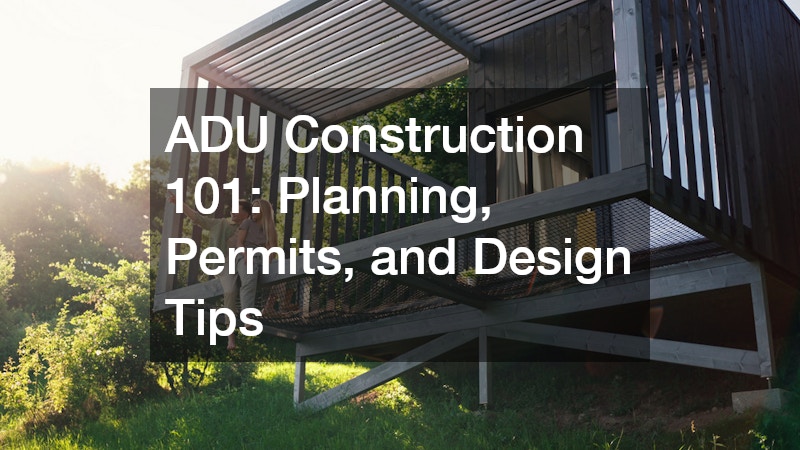
Accessory Dwelling Units (ADUs) have quickly become one of the most practical ways to add space, flexibility, and long-term value to a property. Whether you are creating a private home office, housing for family, or a rental unit, building an ADU requires thoughtful planning and a clear understanding of the process. From zoning requirements to design decisions, every step plays a role in the success of your project.
Start with a Clear Plan
Before breaking ground, it is essential to define the purpose of your ADU. Will it be used as a guest house, a rental property, or a workspace? Each use case will influence layout, size, and amenities.
For example, a rental unit may require a full kitchen and separate utilities, while a home office may prioritize open space and natural light.
Budget is another key factor early in the process. Costs can vary widely depending on location, size, materials, and site conditions. Establishing a realistic budget upfront helps guide decisions and prevents surprises later. Working with an experienced adu builder at this stage can provide valuable insight into cost expectations and feasibility based on your property.
Site evaluation is also critical. Consider factors such as lot size, access points, grading, and proximity to utilities. These elements will impact both design possibilities and construction costs.
Understanding Permits and Zoning
One of the most important steps in ADU construction is navigating local zoning laws and permit requirements. Regulations vary significantly by municipality, so it is essential to understand what is allowed on your specific property.
Common zoning considerations include:
-
Maximum size and height restrictions
-
Setback requirements from property lines
-
Parking requirements
-
Owner occupancy rules
In many areas, regulations have become more ADU-friendly in recent years, but there are still specific guidelines that must be followed. Failing to comply can lead to costly delays or even project cancellation.
The permitting process typically involves submitting detailed plans for review, including architectural drawings, structural details, and utility connections. Depending on your location, approvals may also require environmental or historical reviews.
This is where partnering with a knowledgeable adu builder becomes especially valuable. They can help ensure that your plans meet local requirements and streamline the approval process, saving both time and frustration.
Designing for Function and Comfort
Good design is what transforms an ADU from a simple structure into a highly functional living space. Because ADUs are typically smaller in size, every square foot needs to be used efficiently.
Start by focusing on layout. Open floor plans can make a small space feel larger, while smart storage solutions help reduce clutter. Built-in shelving, multi-purpose furniture, and creative use of vertical space can significantly improve usability.
Natural light is another important consideration. Large windows, skylights, and thoughtful orientation can make the space feel bright and inviting. In addition to aesthetics, proper lighting can reduce energy costs over time.
Privacy is also key, especially if the ADU will be used as a rental or guest space. Positioning the unit strategically on the property, along with separate entrances and outdoor areas, can create a sense of independence for occupants.
When it comes to materials and finishes, durability and low maintenance should be priorities. High-quality materials may have a higher upfront cost, but they often result in lower long-term maintenance and better overall value.
Utilities and Infrastructure
An often-overlooked aspect of ADU construction is how the unit will connect to existing utilities. Water, sewer, electricity, and HVAC systems all need to be carefully planned.
Some ADUs share utilities with the main house, while others have separate connections. Each option has its pros and cons. Shared systems can reduce installation costs but may complicate billing or usage. Separate systems offer more independence but can increase upfront expenses.
Energy efficiency is another important factor. Incorporating energy-efficient appliances, insulation, and windows can reduce operating costs and make the unit more appealing to future occupants.
Working with the Right Team
Building an ADU is a significant investment, and choosing the right professionals can make all the difference. From architects to contractors, each member of your team plays a role in bringing your vision to life.
An experienced adu builder not only manages construction but also helps coordinate design, permitting, and scheduling. Their expertise can help identify potential challenges early and keep the project on track.
Communication is key throughout the process. Regular updates, clear expectations, and a collaborative approach help ensure that the final result aligns with your goals.
Final Thoughts
ADU construction offers a unique opportunity to maximize your property’s potential while adapting to changing lifestyle needs. By taking the time to plan carefully, understand local regulations, and prioritize smart design, you can create a space that is both functional and valuable.
Whether you are building for personal use or as an investment, approaching the process with the right knowledge and team will set you up for success. With thoughtful execution, an ADU can become one of the most rewarding additions to your property.