

Home renovations combined with a move can feel like two major life events colliding at once. Homeowners are often balancing timelines, budgets, and decisions that affect both short-term comfort and long-term property value. When walls are opened, layouts are adjusted, or systems are updated, every choice tends to ripple outward, influencing how smoothly the overall transition unfolds. Planning ahead and understanding the order in which tasks should happen can reduce stress and prevent costly missteps.
Approaching renovation and moving as a coordinated process rather than separate projects helps homeowners stay organized. Work completed too early or too late can lead to delays, rework, or unnecessary expenses. By thinking holistically about the property, the people involved, and the sequence of work, homeowners can make more confident decisions. This approach creates a clearer path from the initial planning stages through move-in day, even when multiple services and timelines overlap.
Beyond logistics, renovations tied to a move often carry emotional weight. Homeowners may be leaving a familiar space or preparing for a new chapter, which can add pressure to an already demanding process. Having a clear plan helps reduce uncertainty and allows decisions to be made with intention rather than urgency. When expectations are set early and tasks are prioritized thoughtfully, the entire experience becomes more manageable. Instead of reacting to problems as they arise, homeowners can focus on creating a space that supports comfort, function, and long-term goals.

Selecting Reliable Contractors for Major Projects
Large renovation projects often involve several professionals working at different stages, and the quality of those relationships can shape the entire experience. Homeowners benefit from choosing contractors who communicate clearly, respect schedules, and understand how their work fits into a larger plan. Trust and transparency matter just as much as technical skill, especially when projects span weeks or months and require coordination with other trades.
When renovations are paired with a move, a dependable moving service becomes part of that larger coordination effort. Timing furniture delivery, temporary storage, or final move-in dates around construction milestones requires careful planning. Contractors who are flexible and responsive make it easier to adjust when schedules shift. This level of coordination helps homeowners avoid rushed decisions and reduces the risk of damage or delays during an already busy transition.
Vetting contractors thoroughly adds another layer of protection for homeowners managing multiple priorities. Reviewing references, confirming licensing, and setting clear expectations at the start can prevent misunderstandings later. Written timelines and defined scopes of work help keep everyone aligned as the project progresses. When contractors are chosen with both renovation and moving considerations in mind, homeowners gain more control over the process and experience fewer last-minute disruptions.
Managing Waste and Debris During Renovations
Renovation work generates far more debris than many homeowners expect. Old materials, packaging, and construction waste can quickly overwhelm a property if there is no clear plan for removal. Managing waste effectively keeps the job site safer, improves efficiency, and prevents clutter from slowing down progress. A clean work area also makes it easier to identify issues early and maintain momentum throughout the project.
Arranging a dumpster rental provides a practical solution for handling debris as it accumulates. Having a designated place for waste allows contractors to work more efficiently and helps homeowners keep the property accessible during renovations. It also reduces repeated trips to disposal sites, saving time and energy. When renovations overlap with packing and moving, this kind of organization becomes even more valuable, keeping the focus on progress rather than cleanup.
Upgrading Heating and Cooling Systems
Comfort plays a major role in how livable a home feels during and after renovations. Heating and cooling systems influence indoor air quality, energy use, and overall consistency from room to room. When walls are open or layouts change, homeowners have an opportunity to evaluate whether existing systems still match the home’s size and usage patterns. Addressing these needs during renovation can be more efficient than revisiting them after the work is complete.
An HVAC upgrade is often most practical when paired with other structural or interior improvements. Ductwork adjustments, equipment replacements, or efficiency upgrades are easier to complete before move-in, when access is less restricted. Homeowners who plan this step carefully can avoid temporary solutions later and create a more stable indoor environment. Aligning system upgrades with renovation timelines helps prevent delays and supports smoother occupancy once the project wraps up.
Beyond basic performance, system upgrades can also support long-term efficiency and comfort goals. Newer equipment often offers improved temperature control and quieter operation, which can make a noticeable difference in daily living. Renovation periods also allow homeowners to address airflow balance and thermostat placement more easily. Taking advantage of this access helps reduce future maintenance issues and supports consistent comfort throughout the home once renovation and moving are complete.
Addressing Structural and Concrete Needs
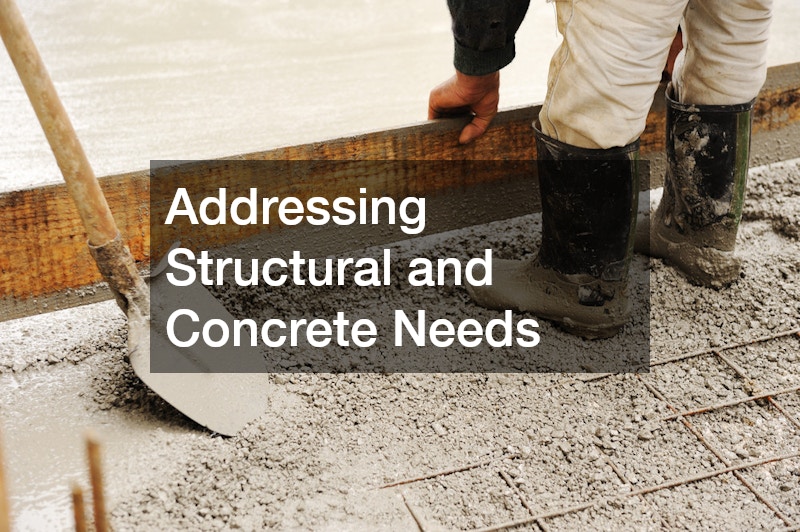
Structural components form the foundation of a safe and durable home, and renovation projects frequently expose areas that need attention. Cracked walkways, uneven slabs, or aging foundations can affect both functionality and appearance. Addressing these issues early prevents them from becoming larger problems and allows other phases of the renovation to move forward without interruption.
Working with a qualified concrete contractor allows homeowners to repair or replace surfaces that support the rest of the project. Driveways, patios, and foundations often need attention before exterior or interior upgrades can proceed. Completing concrete work at the right stage helps maintain proper sequencing and reduces the risk of rework. This planning becomes especially important when coordinating timelines around a move.
In addition to visible surfaces, underlying concrete issues can influence drainage, stability, and long-term maintenance costs. Renovations provide an opportunity to correct grading problems or reinforce areas that may not meet current standards. Addressing these concerns proactively can help protect other improvements from premature wear. When structural and concrete needs are handled with foresight, homeowners benefit from smoother renovations and greater confidence in the durability of their investment.
Handling Electrical Work Safely and Efficiently
Electrical systems often require updates when homes are renovated, especially in older properties or when layouts change. New appliances, lighting plans, and technology demands can strain outdated wiring or panels. Addressing these concerns during renovation helps homeowners avoid future disruptions and supports safer daily use of the space.
A professional electrical service plays a key role in updating wiring, outlets, and panels to align with current needs. Scheduling this work before walls are closed and finishes are installed saves time and reduces disruption. Proper coordination with other trades also minimizes conflicts and delays. When electrical updates are handled thoughtfully, homeowners gain confidence that their renovated space will function reliably once they move in.
Renovation periods also make it easier to plan for future electrical needs. Additional outlets, dedicated circuits, or improved lighting layouts can be installed with minimal impact when access is available. Thinking ahead during this stage helps prevent reliance on temporary solutions later. Careful electrical planning supports both safety and convenience, contributing to a home that meets modern expectations long after the renovation and move are complete.
Preparing the Property Exterior and Landscaping
The exterior of a home is often impacted by renovation activity, even when most work happens indoors. Heavy equipment, material deliveries, and foot traffic can affect yards, trees, and surrounding features. Taking time to plan for exterior care helps protect the property and supports a smoother transition once construction wraps up. A well-maintained exterior also contributes to curb appeal during a period when the home may already feel disrupted.
In some cases, tree trimming services are needed to clear access points, protect structures, or remove hazards created during renovation. Overgrown or damaged branches can interfere with equipment or pose safety concerns as work progresses. Addressing these needs early helps prevent delays and reduces the risk of damage. Coordinating exterior upkeep alongside interior work allows the property to recover more quickly after the project is complete.

Coordinating Door and Entryway Improvements
Doors and entryways play a critical role in both security and daily functionality, especially during a renovation and move. Worn or outdated doors can compromise insulation, safety, and ease of access. Updating these elements during renovation helps align them with new layouts, finishes, and accessibility needs. Thoughtful planning in this area supports a smoother transition once the home is ready for occupancy.
Scheduling door installation at the right stage of the project prevents conflicts with flooring, trim, or electrical work. Proper timing also reduces the risk of damage during heavy construction activity. When doors are installed as part of a coordinated plan, homeowners benefit from improved performance and appearance without unnecessary delays. This approach helps the home feel complete and secure before move-in.
Scheduling Demolition and Site Preparation
Demolition sets the stage for everything that follows in a renovation. Removing outdated structures, walls, or fixtures creates the space needed for new work to begin. Proper planning at this stage helps avoid surprises and keeps the project moving efficiently. Clear communication about scope and timing is essential to prevent setbacks later in the process.
Engaging local demolition services allows homeowners to address removal tasks safely and in compliance with regulations. These professionals can identify structural considerations and manage debris efficiently. Completing demolition early and thoroughly helps other contractors work without interruption. This preparation becomes especially important when renovations are paired with a move, where timing and access are closely tied to progress.
Assessing Property Value Before and After Work
Renovations and upgrades often influence how a property is perceived in the broader market. Even when homeowners are not planning an immediate sale, understanding how changes affect value can guide smarter decisions. Improvements that enhance functionality, efficiency, or appearance may support long-term equity, while unnecessary upgrades can strain budgets without delivering meaningful returns.
Scheduling home appraisals before and after renovation provides a clearer picture of how updates impact overall value. This information can help homeowners prioritize projects and adjust plans as needed. It also offers useful documentation for refinancing, insurance, or future sales considerations. When renovations and moving are part of a larger financial picture, having this insight supports more confident planning.
Beyond pricing, valuation reviews can highlight strengths or gaps homeowners may have overlooked. This perspective helps align renovation choices with broader financial goals and market expectations. It can also guide decisions about which improvements to complete before moving in and which updates can be phased over time without affecting overall value.

Planning Fuel and Heating Logistics
Reliable heating is essential during and after a renovation, particularly in regions with colder climates. Construction activity can disrupt normal usage patterns, making it important to plan ahead for consistent fuel access. Homeowners who think through these logistics early are better positioned to avoid interruptions that could affect comfort or progress.
Working with a heating oil company helps homeowners coordinate deliveries around renovation schedules and move-in dates. Adjusting delivery timing or usage estimates can prevent shortages during critical periods. This planning becomes even more important when renovations overlap with seasonal changes. By addressing heating logistics proactively, homeowners support a smoother transition into their updated space.
Renovating a home while preparing for a move requires careful coordination and a clear understanding of how each phase connects to the next. From early planning through final move-in, every decision influences timelines, budgets, and overall experience. When homeowners take the time to think strategically about the order of work and the services involved, they reduce uncertainty and create more manageable transitions.
Approaching the process with organization and flexibility allows homeowners to adapt as projects evolve. Clear communication, realistic scheduling, and thoughtful sequencing help minimize disruptions and avoid last-minute complications. By treating renovation and moving as a unified effort, homeowners can move forward with greater confidence and enjoy the benefits of a well-prepared home once the dust settles.
Ultimately, preparation supports peace of mind. Knowing what to expect at each stage allows homeowners to focus on progress rather than setbacks. With a well-structured plan in place, the transition into a renovated home feels intentional, efficient, and far less overwhelming.
