
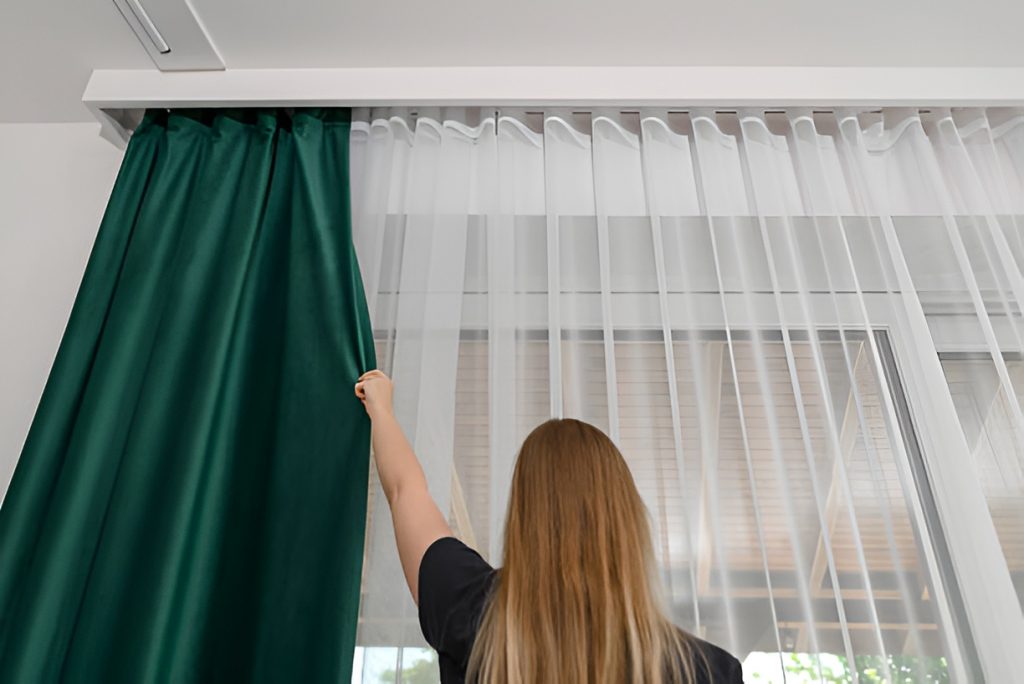
- Balance light and privacy: Layering sheers and blackouts allows you to control natural light while maintaining privacy throughout the day.
- Choose the right fabrics and colors: Light, flowing sheers and dense, dark blackout curtains provide both functionality and style.
- Use proper rods or tracks: Double rods, ceiling-mounted tracks, or adjustable rods ensure smooth movement and proper layering.
- Step-by-step installation matters: Hang sheers first, then blackouts, adjust lengths, and add tiebacks for a polished look.
- Maintain and care for curtains: Regular dusting, proper washing, and rotating blackouts prevent damage and fading.
- Adapt layering to room and space: Tailor curtain layers for bedrooms, living rooms, offices, and small spaces to maximize comfort, style, and functionality.
Layering sheer and blackout curtains is a game-changer when it comes to controlling light, enhancing privacy, and adding style to your space. Many homeowners struggle with finding the perfect balance between natural light and darkness, but with the right approach, you can enjoy the best of both worlds. In this guide, we’ll break down everything you need to know about how to layer sheer and blackout curtains effectively.
Why Should You Layer Sheer and Blackout Curtains?
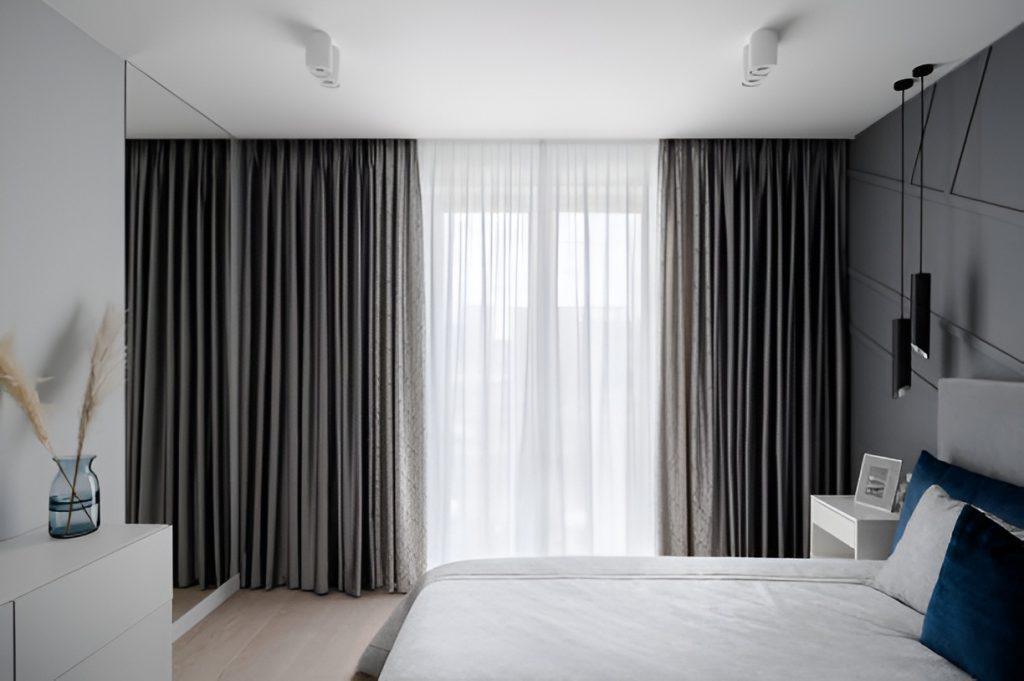
Sheer and blackout curtains each have their strengths. Sheers allow soft, diffused natural light to fill a room while maintaining a degree of privacy. Blackout curtains, on the other hand, block out sunlight entirely, helping with better sleep, energy savings, and protecting furniture from UV damage. By layering them together, you gain flexibility and control over your environment.
Some benefits include:
- Complete light control – Adjust the mood of your room from bright and airy to fully dark.
- Enhanced privacy – Prevent outsiders from seeing in while still letting natural light in during the day.
- Energy efficiency – Blackout layers can help insulate windows, keeping rooms warmer in winter and cooler in summer.
- Stylish versatility – The combination allows you to experiment with textures, patterns, and colors.
What’s the Difference Between Sheer and Blackout Curtains?
Understanding the difference helps you make the right pairing.
- Sheer Curtains: Lightweight, translucent fabrics like voile or chiffon. They soften natural light and create a dreamy, airy feel.
- Blackout Curtains: Thick, opaque fabrics often lined with special coatings. They block nearly all sunlight and provide maximum privacy.
Layering is about using each type strategically: sheers for ambiance, blackouts for function.
How to Choose the Right Fabrics and Colors
When it comes to layering, fabric weight, texture, and color are key.
- Fabric Considerations:
- Sheers: Look for light, flowing fabrics that drape well. Cotton blends and polyester sheers are easy to maintain.
- Blackouts: Choose thick, dense materials like velvet, heavy cotton, or polyester blends. Lining can enhance the blackout effect.
- Color Choices:
- Sheers: Whites, creams, and light neutrals keep spaces bright.
- Blackouts: Darker shades like navy, charcoal, or rich jewel tones are best for blocking light, but light-colored blackouts can work for style while still offering partial light control.
- Pattern Play:
- Subtle patterns in sheer curtains add texture without overwhelming the space.
- Blackouts can be solid or patterned, but consider keeping patterns minimal to avoid clashing with the sheer layer.
What Type of Curtain Rod Should You Use for Layering?
Using the right curtain rod makes layering seamless.
- Double Rods: The most common solution for layering. One rod holds the sheer panel, and the other holds the blackout curtain.
- Ceiling-Mounted Tracks: Ideal for a clean, modern look. Tracks allow curtains to glide smoothly and can support heavier blackout fabrics.
- Adjustable Rods: Flexible for windows of varying widths. Make sure the rod can support both layers without sagging.
Tip: Ensure enough space between rods so the curtains don’t interfere with each other when drawn.
How to Layer Sheer and Blackout Curtains Step by Step
Getting the layering right is easier than it seems. Follow these steps:
- Measure Your Windows – Measure the width and height, adding extra for curtain fullness and rod placement.
- Install the Rods or Track – Double rods or a ceiling track system work best. Place the rod high to make the window look taller.
- Hang the Sheer Panel First – This will be the inner layer. Ensure it drapes smoothly and touches the floor or window sill.
- Add the Blackout Curtain – Hang the outer layer. Make sure it overlaps the sheer fully to block light effectively.
- Adjust Length and Fit – Hem if necessary, and ensure curtains glide freely without catching.
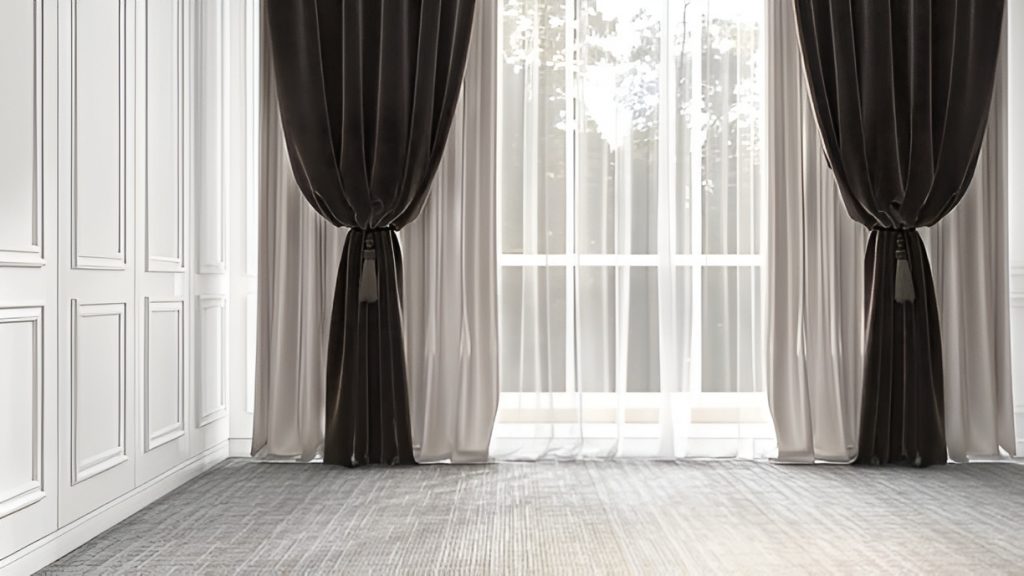
- Style and Finish – Add tiebacks or holdbacks to keep curtains open during the day without flattening the sheer layer.
How to Maximize Light Control and Privacy
Layering isn’t just about hanging two curtains. Proper placement and use are key:
- Close Blackouts for Full Darkness – Great for bedrooms, media rooms, or afternoon naps.
- Keep Sheers Closed During the Day – Allows daylight while keeping prying eyes out.
- Combine Layers Strategically – For example, use blackouts partially during morning sunlight but keep sheers drawn for light diffusion.
Can You Mix Patterns and Colors?
Absolutely. Mixing patterns can create a bold, stylish statement.
- Keep one layer neutral (usually sheers) and play with the blackout curtain’s color or pattern.
- Geometric, floral, or textured blackout curtains can become a focal point.
- Avoid heavy clashes—choose patterns with complementary tones to maintain balance.
How to Maintain and Care for Layered Curtains
Proper care ensures your layered curtains last longer:
- Regular Dusting: Vacuum sheers gently using a brush attachment.
- Washing: Sheers are usually machine-washable; blackouts may require dry cleaning or gentle hand wash depending on fabric.
- Ironing: Use low heat for sheers; blackouts often need steaming to remove wrinkles without damaging the lining.
- Avoid Sun Damage: Rotate blackout curtains periodically to prevent fading if exposed to constant sunlight.
Are There Alternatives to Traditional Rods?
If double rods aren’t an option, there are creative alternatives:
- Clip Rings: Allows sheers and blackouts to slide on a single rod while keeping layers separate.
- Tension Rods: Ideal for small windows or rental spaces. Can be paired with sheer panels inside and blackout curtains outside.
- Magnetic or Adhesive Systems: Good for lightweight sheers in spaces where drilling isn’t possible.
How to Style Sheer and Blackout Curtains in Different Rooms
Layered curtains can enhance any room:
- Bedroom: Maximize sleep quality with full blackout coverage at night and sheers for morning light.
- Living Room: Create an inviting ambiance with sheers drawn during the day and blackouts for movie nights.
- Dining Room: Layering adds a touch of sophistication; sheers soften the light while blackouts offer occasional privacy.
- Home Office: Sheers help reduce glare without darkening the room completely; blackout curtains are useful for virtual meetings with controlled lighting.
Common Mistakes to Avoid When Layering Curtains
Even small missteps can ruin the effect:
- Hanging curtains too low or too short, making the window look cramped.
- Using mismatched rod lengths or weak rods that sag under the weight.
- Choosing blackout curtains that are too stiff or heavy for smooth movement.
- Ignoring curtain fullness—sheers should have at least 1.5–2 times the window width for a full, elegant look.
How to Make Layered Curtains Work in Small Spaces
Small windows or compact rooms can still benefit from layered curtains:
- Mount rods close to the ceiling to create a taller visual appearance.
- Use lighter sheers to keep the space airy.
- Choose blackout curtains in a solid color to avoid visual clutter.
- Consider shorter curtain lengths if the room has low ceilings.
How Much Do Layered Curtains Cost?
Costs vary depending on fabric, length, and hardware:
- Sheers: $20–$100 per panel depending on fabric and size.
- Blackouts: $50–$200 per panel, especially if lined or in specialty fabrics.
- Hardware: Double rods or tracks can range from $30–$150 depending on quality.
Investing in quality curtains and rods ensures durability and ease of use, making the upfront cost worthwhile.
Final Tips for Perfect Curtain Layering
Mastering how to layer curtains is easier than you might think when you follow a few simple guidelines.
- Always measure twice before buying curtains.
- Test your blackout curtains for effectiveness in different lighting conditions.
- Don’t be afraid to mix textures—linen sheers with velvet blackouts look luxurious.
- Add curtain tiebacks or holdbacks for functional and stylish accents.
- Keep cleaning and maintenance in mind to extend the life of your layered curtains.
Wrapping It Up
Layering sheer and blackout curtains is a simple yet effective way to achieve the perfect balance between natural light, privacy, and style in any room. Sheers allow soft, diffused daylight to fill your space while maintaining daytime privacy, and blackout curtains give you complete darkness when needed for sleep, movie nights, or energy efficiency. With proper layering, thoughtful styling, and regular maintenance, your curtains can provide both functionality and aesthetic appeal for years to come.
