
Owning a rental property can generate steady income, but many landlords underestimate what it actually costs to keep a property running smoothly year after year. Beyond the mortgage, taxes, and insurance, there is a long list of maintenance expenses that tend to surface only after something breaks or a tenant complains. Planning ahead for these costs can mean the difference between a profitable rental and a financial headache. This article walks through the most commonly overlooked maintenance line items so you can budget realistically from day one.
Water Line and Drain Emergencies
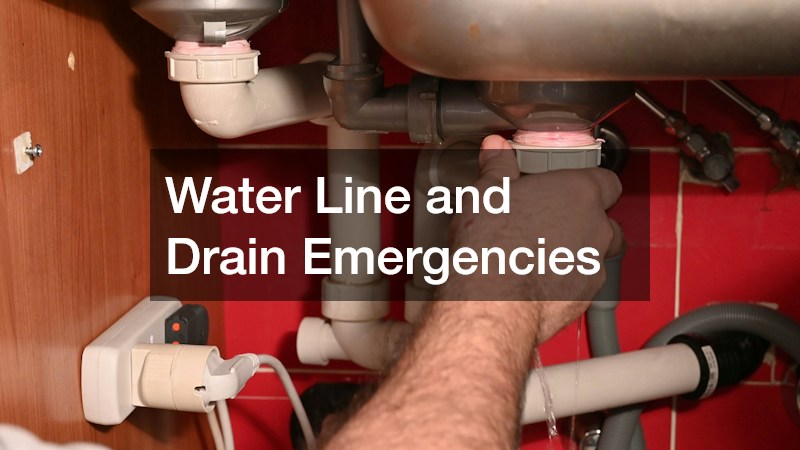
Plumbing issues rarely happen at a convenient time, and tenants often wait until a small leak becomes a major problem before reporting it. A single clogged main line or burst pipe can cost hundreds of dollars to resolve, and older properties tend to have more frequent issues as pipes age and corrode. Many landlords budget for routine fixes but forget that emergency calls often come with after-hours premiums. Setting aside a dedicated plumbing reserve each year helps absorb these surprise costs without dipping into your personal savings.
It also helps to build a relationship with a reliable plumber before you actually need one. Having a trusted contact on call means faster response times and often better pricing than scrambling to find emergency service during a crisis. Ask about annual inspection packages, since catching small leaks early is far cheaper than repairing water damage later.
- Water heater replacement every 8 to 12 years
- Sewer line camera inspections for older homes
- Pipe insulation before winter freezes
- Sump pump maintenance in flood-prone areas
Electrical Panel Upgrades and Repairs
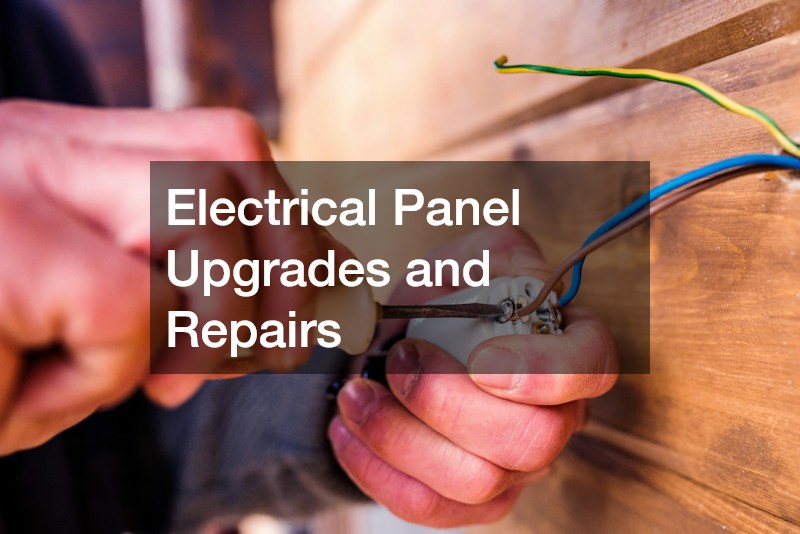
Electrical systems are another area landlords tend to underestimate, especially in homes built before modern code requirements. An outdated panel may not be able to handle the demands of modern appliances, and insurance companies increasingly require upgrades before renewing policies on older properties. Hiring a licensed electrician for a safety inspection every few years can catch issues like frayed wiring or overloaded circuits before they become fire hazards. These inspections are a relatively small expense compared to the cost of an electrical fire or a failed inspection during a tenant turnover.
Budgeting for electrical work also means planning for smaller recurring needs, such as replacing outlets, light fixtures, and smoke detector batteries between tenants. These small repairs add up over a year, particularly in multi-unit properties where turnover happens more frequently.
Seasonal Heating and Cooling System Servicing
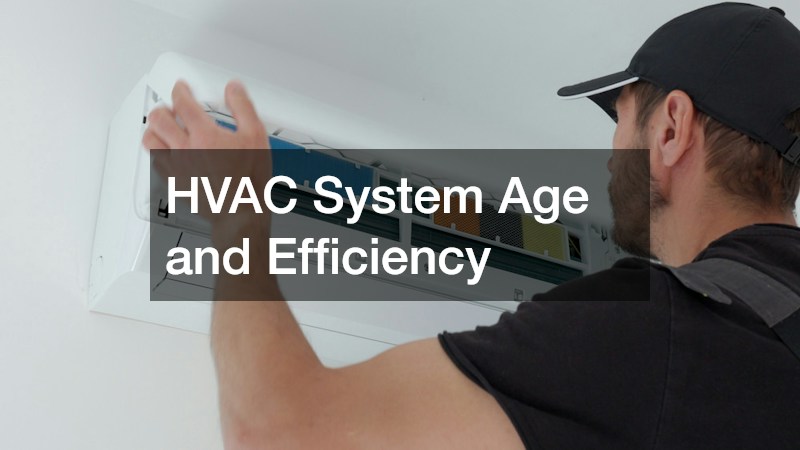
Heating and cooling systems are some of the most expensive components in a rental property, yet they are also the most commonly neglected in annual budgets. A unit that has not been serviced in years is far more likely to fail during the hottest or coldest week of the year, leaving tenants frustrated and landlords facing rush pricing. Scheduling routine AC repair before summer begins can extend the life of the system significantly and reduce the chance of a total breakdown. Filters, coils, and refrigerant levels all need periodic attention that many landlords simply forget to schedule.
Comparing quotes from a few different AC companies once a year can also help you find a fair maintenance contract rather than paying premium rates for a single emergency visit. Many companies offer seasonal tune-up packages that catch small problems early, which is far cheaper than a full system replacement. Setting a reminder each spring and fall to schedule a checkup keeps this cost predictable instead of a surprise.
Lawn and Landscaping Upkeep

Curb appeal matters for attracting and retaining good tenants, but landscaping costs are frequently left out of annual maintenance budgets. Mowing, trimming, and seasonal cleanup add up quickly, especially if you own multiple properties or live far from the rental itself. Many landlords choose to hire lawn care services to keep the property looking consistent, which also protects against code violations in cities with strict landscaping ordinances.
Beyond basic mowing, consider the cost of refreshing garden beds and walkways every year or two. Applying Bark dust around flower beds and trees not only improves appearance but also helps retain soil moisture and suppress weeds, reducing the need for frequent watering and replanting. These small investments protect the property’s value and reduce bigger landscaping expenses down the road.
Exterior Siding and Weatherproofing
The exterior of a rental property takes a beating from weather exposure year after year, yet siding repairs often get pushed down the priority list until damage becomes visible from the street. Cracked, warped, or discolored siding is not just a cosmetic problem; it can allow moisture to seep behind the walls and cause rot or mold that is far more expensive to fix. Budgeting a small amount each year for touch-ups prevents the need for a full exterior overhaul.
When damage does appear, it is worth getting quotes from a few siding contractors rather than assuming the whole exterior needs replacing. Many issues can be addressed with targeted repairs rather than a full reside, which keeps costs manageable. Scheduling an exterior walkthrough once a year, ideally after storm season, helps catch problems while they are still small.
Garage Door Mechanisms and Safety Features
Garage doors see daily wear and tear, and the motorized components in particular tend to fail without much warning. Tenants often do not report a slow or noisy door until it stops working entirely, leaving landlords with an emergency repair bill instead of a planned replacement. Garage door openers typically last around 10 to 15 years, but the sensors and springs inside them may need attention much sooner depending on usage. The springs tend to be the first casualty. Torsion springs are rated for a certain number of open-close cycles, often around 10,000, which sounds like a lot until you consider a tenant using the door four or five times a day. That works out to roughly five to seven years before a spring replacement becomes likely, and a snapped spring can run $150 to $350 depending on the type and whether it’s a same-day call. Safety sensors deserve their own line item too. These photo-eye sensors near the floor track prevent the door from closing on a person or pet, but they’re also low to the ground and easily knocked out of alignment by a stray bike, lawnmower, or storage bin. Misalignment doesn’t always throw an obvious error; sometimes the door simply refuses to close, which tenants may misread as a dead opener rather than a $20 sensor fix. Cables, rollers, and the opener’s drive belt or chain also wear down gradually and rarely get noticed until something binds or snaps. Budgeting for a basic annual inspection, roughly $75 to $150, can catch these issues before they turn into after-hours emergency calls, which often cost two to three times as much as routine daytime service.
Garage doors take a beating from daily use, and the mechanisms behind them wear out faster than most landlords expect. A simple annual check of the tracks, cables, springs, and safety sensors can prevent costly breakdowns and reduce liability if something malfunctions while a tenant is using the door. Torsion springs, for example, are rated for a finite number of cycles — typically 10,000 or so — meaning a door used several times a day can need spring replacement every few years, at $150 to $350 a visit. Safety sensors deserve particular attention, since a misaligned photo-eye sensor can cause the door to reverse unpredictably or fail to detect an obstruction, creating real injury risk for tenants and their children. Testing the auto-reverse function and sensor alignment takes just a few minutes but catches problems before they become insurance claims. Cables and rollers also fray or crack with age, usually giving warning signs like grinding noises or uneven movement before they snap entirely. Keeping a small reserve for this specific system, separate from general home repairs, makes it easier to replace a unit without scrambling for funds when it finally gives out. A full opener replacement typically runs $200 to $500 for the unit alone, plus labor, while a complete door replacement can run $750 to $1,500 or more depending on material and insulation. Budgeting $150 to $250 a year per property into this reserve usually covers routine maintenance and leaves a cushion for the eventual bigger-ticket replacement.
Fencing Repairs and Replacement Cycles
Fencing is another feature that quietly deteriorates over time, especially in properties with wood fencing exposed to sun, rain, and ground moisture. Wood posts set in soil tend to rot at the base within 10-15 years, while above-ground panels and boards may need restaining every two to three years just to resist warping and splintering. Vinyl and chain-link fencing last longer with less upkeep, but they aren’t maintenance-free either—vinyl can crack in freezing temperatures, and chain-link posts can lean or rust at ground contact points. Landlords often forget that fences need periodic staining, repair, or full replacement, particularly around shared property lines where damage disputes with neighbors can arise. A fallen section after a storm, a dog pushing through a weak panel, or a tenant complaint about a broken gate latch can all turn into unplanned repair calls. Shared-line fences add another layer of complexity, since cost-splitting disagreements or differing opinions on repair urgency can delay fixes and strain neighbor relations. Budgeting for fence maintenance every few years prevents a sudden large expense when boards rot or posts shift. A reasonable approach is setting aside a few hundred dollars annually for spot repairs, then planning for a larger replacement cycle every 15-20 years depending on material and climate. Landlords in wetter or coastal regions should budget more aggressively, since humidity and salt air accelerate wood rot and metal corrosion well beyond typical timelines.
Fencing is a line item landlords routinely underestimate, especially when tenants or weather do more damage than expected. A single storm can snap several wood panels at once, and routine wear from lawn equipment, pets, or general use chips away at a fence’s lifespan faster than most owners plan for. Budgeting for occasional spot repairs, not just eventual full replacement, helps avoid surprise expenses. Many landlords are now switching to aluminum fences for rental properties because they require far less upkeep than wood and hold up better against weather extremes. Unlike wood, aluminum won’t rot, warp, or attract termites, and it skips the repainting or staining cycle that wood typically needs every 2 to 3 years. While the upfront cost is higher, often 20 to 40 percent more than a comparable wood fence, the reduced need for repairs or full replacement over a 15 to 20 year span often makes it the more economical choice long term. Wood fencing, by contrast, often needs partial replacement every 7 to 10 years depending on climate and soil moisture, with full replacement closer to the 15-year mark. Vinyl sits somewhere in between, offering better durability than wood but with its own risk of cracking in extreme cold. Comparing these replacement cycles against your expected hold period for the property can clarify which material actually saves money. Factoring this into your renovation budget when a fence is due for replacement, and setting aside a small annual reserve for minor repairs in the meantime, can save money over the life of the property.
Indoor Air Quality and Ventilation Checks
Good indoor air quality is often overlooked until a tenant complains about musty smells, allergies, or visible mold around windows and vents. By then, the problem has usually been building for months, hidden inside ductwork or behind poorly sealed vents where moisture collects unnoticed. Addressing it reactively costs far more than catching it early, especially if mold remediation or duct replacement becomes necessary. Poor ventilation can also shorten the lifespan of HVAC equipment, since systems working harder to manage humidity wear out faster. A unit straining to compensate for blocked returns or leaky ducts can see its efficiency drop by 20% or more, driving up utility bills tenants may blame on the landlord. Over time, that extra strain adds up to thousands of dollars in premature repairs or early system replacement. Scheduling routine air conditioning services that include duct inspections helps identify blockages or leaks that reduce efficiency and air quality at the same time. Technicians can also check for proper attic and bathroom exhaust venting, since these are common spots where moisture gets trapped. Budgeting for annual inspections, filter replacements every 60-90 days, and occasional duct cleaning every few years keeps both air quality and equipment performance in check, rather than waiting for a costly emergency call.
Simple additions like bathroom exhaust fan maintenance and dryer vent cleaning also belong in this category, even though they are easy to forget during annual budgeting. Bathroom fans should be cleaned of dust buildup every six months, a task that costs little in materials but prevents motor strain and mold accumulation caused by trapped moisture. Dryer vent cleaning, meanwhile, typically runs $100 to $200 per unit when hired out and should happen annually, since lint buildup is one of the leading causes of residential fires. Landlords with multi-unit properties should budget these costs per unit rather than per building, since each apartment likely has its own fan and vent system requiring separate attention. It’s also worth setting aside funds for occasional repairs, like replacing a worn fan motor ($40 to $100) or re-routing a crushed or disconnected vent line discovered during inspection. These small, inexpensive tasks protect both the health of tenants and the long-term condition of the property’s internal systems. Neglecting them rarely causes immediate visible damage, which is exactly why they’re so often left out of maintenance budgets until a costly problem, like mold remediation or a vent fire, forces the issue.
Staying ahead of maintenance costs requires looking beyond the obvious monthly expenses and planning for the systems that quietly age in the background. From plumbing and electrical work to landscaping, siding, and fencing, each component of a rental property has its own maintenance timeline that deserves a line item in your budget. Setting aside a reserve fund for these recurring and seasonal needs protects your cash flow and your property’s long-term value. Take some time this month to review your current budget and identify which of these categories you may have been underestimating.
