Your roof plays an essential role in protecting your home from rain, wind, snow, and other weather conditions. Over time, roofing shingles can become damaged, loosen, or go missing entirely. When this happens, you might consider replacing them yourself to save money on labor costs. While replacing a few shingles may seem like a straightforward home improvement project, there’s more involved than simply removing damaged materials and installing new ones.
Before attempting roofing work yourself, it’s important to understand the potential challenges, safety concerns, and long-term consequences of improper installation. Knowing when to handle maintenance yourself and when to contact a professional can help protect your home and prevent expensive problems.
Understanding Why Shingles Need Replacement
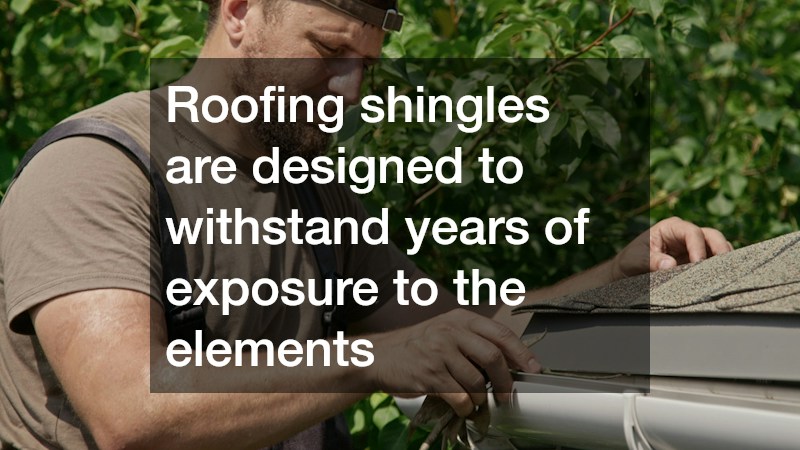
Roofing shingles are designed to withstand years of exposure to the elements, but they aren’t indestructible. Strong winds can lift or tear shingles away, while hailstorms can cause cracks, dents, and other damage. Prolonged exposure to sunlight can also weaken roofing materials, making them brittle and more susceptible to deterioration.
Asphalt shingles typically last between 20 and 30 years, depending on their quality, installation, climate, and maintenance. However, individual shingles can fail long before the roof reaches the end of its expected lifespan. Missing granules, curled edges, visible cracks, and dark patches are common indicators that your roof needs attention.
Addressing these problems promptly is important because damaged shingles can allow moisture to reach the underlying roofing materials. Even a small opening can eventually contribute to water damage, mold growth, or deteriorating roof decking. Scheduling timely roof repairs can prevent minor damage from developing into a much larger issue.
The Potential Benefits of Doing the Work Yourself
One of the biggest reasons homeowners consider replacing their own shingles is the opportunity to save money. Professional roofing services include labor expenses, and homeowners may assume that completing the work themselves will substantially reduce the overall cost. For someone with construction experience and the necessary equipment, certain small maintenance projects might be manageable.
Completing minor home improvement tasks independently can also provide a sense of accomplishment. Homeowners who enjoy working with tools may appreciate learning more about their roofing systems and understanding how different components work together.
However, these potential benefits should be weighed against the risks involved. Purchasing replacement shingles, roofing nails, tools, safety equipment, and other materials can become expensive. Additionally, mistakes during installation may require professional corrections, eliminating any initial savings. What begins as a relatively inexpensive project can quickly become more complicated than anticipated.
The Safety Risks of Working on a Roof
Roofing work presents serious safety concerns, particularly for individuals without specialized training. Falls are among the most significant hazards associated with working at elevated heights. Even a single-story home can have a roof high enough to cause severe injuries if someone slips or loses their balance.
Roof surfaces can become slippery because of moisture, loose granules, algae, or debris. Steep slopes make maintaining proper footing even more challenging. Carrying tools and materials while navigating these surfaces increases the likelihood of an accident, especially when homeowners lack appropriate fall-protection equipment.
Weather conditions can introduce additional dangers. Wind gusts, extreme temperatures, and unexpected rainfall can create hazardous working environments. Professional roofers understand how to assess these conditions and use equipment designed to reduce risks.
Homeowners should also consider the physical demands of roofing work. Repeated bending, lifting, climbing, and kneeling can cause fatigue, potentially affecting balance and judgment. These concerns make professional assistance particularly valuable when dealing with elevated, steep, or difficult-to-access roofing areas.
Why Proper Installation Matters
Replacing roofing shingles involves more than matching their appearance and securing them with nails. Correct installation requires an understanding of overlapping patterns, fastening requirements, waterproofing materials, and the roof’s existing condition. Improper installation can leave vulnerable areas where water penetrates beneath the surface.
For example, incorrectly positioned nails may prevent shingles from remaining securely attached during strong winds. Damaging surrounding shingles while removing old materials can also create additional problems. Roof penetrations, valleys, and flashing require particular attention because they’re especially susceptible to leaks when improperly repaired.
Another concern is identifying the full extent of the damage. A missing shingle might appear to be an isolated issue, but underlying moisture damage or deteriorating decking could require additional attention. Without experience, homeowners may overlook these problems and install new materials over compromised surfaces.
Professional contractors can evaluate the condition of the roof and determine whether individual replacements, more extensive repairs, or a complete replacement would provide the most effective solution.
When Should You Contact a Professional?
Although some homeowners have the skills and equipment necessary for roofing projects, hiring a professional is generally the safer and more reliable choice. This is especially true when multiple shingles are missing, water stains appear indoors, or damage extends across a substantial portion of the roof.
A professional inspection can help establish whether the damage resulted from aging materials, improper installation, severe weather, or another underlying problem. Identifying the cause is essential because simply replacing visible shingles might not resolve the issue.
Professional roofing contractors can also recommend compatible materials and follow applicable building codes and manufacturer installation guidelines. Depending on the circumstances, properly documented professional work may help preserve warranty coverage and provide useful records for insurance claims.
Before hiring a contractor, request a written estimate, verify applicable licensing and insurance requirements, and ask about workmanship warranties. Comparing qualified roofing professionals can help you find dependable services while making an informed financial decision.
Making the Best Decision for Your Home
Replacing damaged shingles might initially seem like an easy way to reduce home maintenance expenses, but roofing projects involve substantial safety and installation challenges. An improperly completed repair can cause leaks, additional structural damage, and unexpected expenses that outweigh any money saved.
For most homeowners, investing in professional roof repairs offers greater peace of mind and helps ensure roofing problems receive appropriate attention. By addressing damage early and relying on qualified professionals when necessary, you can extend your roof’s useful life and keep your home protected throughout the year.