Choosing the right insulation can make a significant difference to your home’s comfort and energy efficiency. With Australia’s varied climate, the best option depends on where you live, your home’s design and the areas you want to insulate. From keeping your home cool during summer to retaining warmth throughout winter, suitable insulation helps maintain more consistent indoor temperatures.
Understanding the available materials and their benefits can make it easier to choose a solution that suits your property and budget. Working with an experienced insulation provider can also help you identify your home’s needs and select an appropriate product.
Understand Your Home’s Insulation Needs
Before comparing insulation materials, consider your local climate and how your home responds to changing temperatures. Homes in colder regions may need stronger thermal protection during winter, while properties in warmer areas can benefit from insulation that limits heat entering through the roof and walls.
Your home’s existing insulation is another important factor. Older materials may have deteriorated, shifted or left gaps that reduce their effectiveness. Some homes may also have uninsulated walls, floors or ceilings that contribute to uncomfortable indoor conditions.
Think about your main priorities, such as reducing heating and cooling costs, improving comfort or addressing temperature differences between rooms. These considerations will help narrow down the most suitable options.
Compare Popular Insulation Materials
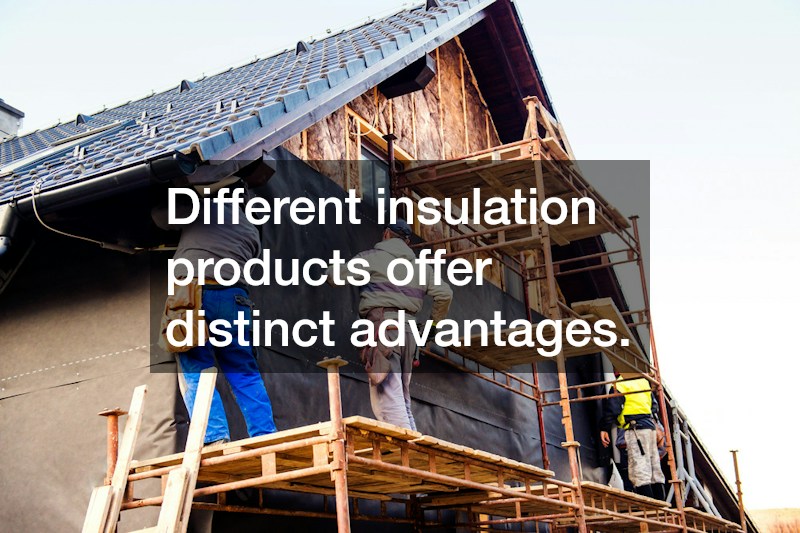
Different insulation products offer distinct advantages. Understanding how they work can help you decide which material is appropriate for your property.
Glasswool Insulation
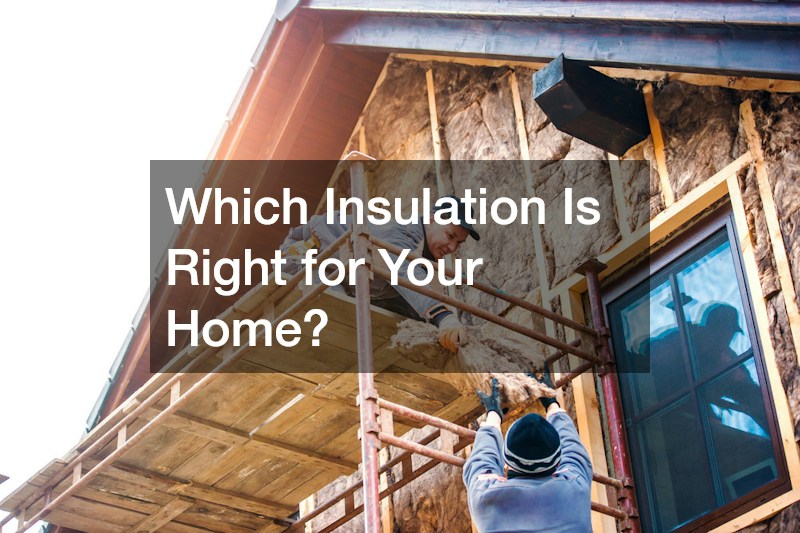
Glasswool is a widely used insulation material made from fine glass fibres. It is commonly supplied in batts or rolls that fit between roof framing, ceiling joists and wall studs.
Its flexibility makes it suitable for many residential applications. Glasswool can help slow heat transfer, supporting a more comfortable indoor environment throughout the year. It is also available in different thicknesses and thermal ratings to suit various requirements.
However, correct installation is essential. Gaps, compression and poorly fitted sections can reduce its performance. Professional installation may be particularly useful when working around electrical fittings, roof structures and other obstacles.
Polyester Insulation
Polyester insulation is made from synthetic fibres and is available in products designed for ceilings and walls. It can be an option for households that prefer insulation materials that are generally softer to handle than traditional glasswool.
The product’s thermal performance depends on its design, thickness and rated R-value. Before choosing polyester, compare its specifications with those of other materials to determine whether it meets your home’s requirements.
Earthwool and Other Mineral Fibre Options
Earthwool is a glasswool insulation product manufactured using a different fibre-bonding process. Other mineral fibre products, including stone wool, may also be available for particular applications.
These materials can provide thermal insulation, while some products offer additional acoustic benefits. Their suitability depends on the building location, installation requirements and the performance characteristics specified by the manufacturer.
Check the R-Value Before You Buy
The R-value measures a material’s resistance to heat flow. Generally, a higher R-value indicates greater resistance to heat transfer, although the overall result also depends on installation quality and the rest of the building envelope.
Australian homes have different insulation requirements depending on their climate zone and construction. A product suitable for one property may not be the best choice for another.
Compare the recommended R-values for your roof, ceiling, walls and floors rather than selecting a product based on thickness alone. An experienced insulation provider can help assess your existing setup and explain which ratings are appropriate for your home.
Consider More Than Thermal Performance
Insulation should meet your household’s practical needs as well as its thermal requirements. If outside noise is a concern, some insulation products can help reduce sound transmission through walls and ceilings. However, results depend on the complete wall or ceiling construction, including gaps and other weak points.
Moisture management is another important consideration. Roof leaks, condensation and inadequate ventilation can affect building materials and may create problems when insulation is installed without addressing the underlying cause. Any existing moisture issues should be investigated first.
You should also consider accessibility, installation requirements and the condition of the areas being insulated. A qualified professional can help determine whether preparation or repairs are needed before work begins.
Choose the Right Professional for Your Project
Selecting suitable insulation involves more than comparing product prices. Installation quality, coverage and the condition of your home’s structure all influence the final outcome.
When choosing an insulation provider, ask about the materials available, their thermal ratings and the areas they recommend insulating. Request a clear quote outlining the products, installation work and any additional costs.
It is also worth checking the provider’s experience with homes similar to yours. Ask how they manage ventilation requirements, roof access and existing insulation, and whether they follow relevant Australian building requirements and manufacturer instructions.
A reliable professional should explain your options clearly without recommending unnecessary upgrades. Comparing quotes and product specifications can help you make an informed decision that balances upfront costs with long-term comfort.
Make an Informed Insulation Choice
The right insulation depends on your home’s design, local climate, budget and comfort goals. Glasswool, polyester and other insulation products can all be suitable in different circumstances, but their performance relies on selecting the correct specifications and installing them properly.
By assessing your home’s needs, comparing R-values and considering moisture and ventilation requirements, you can make a more confident decision. Speak with a trusted insulation provider to discuss your options and determine which solution will best support a comfortable, energy-efficient home throughout the Australian seasons.