

Improving a home’s value does not always require dramatic renovations or luxury additions. Some of the most worthwhile investments are the ones that make the property more reliable, comfortable, efficient, and easier to maintain. Buyers may appreciate attractive finishes, but the condition of essential household systems can be just as important when they evaluate a property.
A home with a dependable roof, functional plumbing, maintained appliances, clean flooring, and effective heating can make a stronger impression than a property where important maintenance has been postponed. Even improvements that are largely hidden from view, such as sewer work or water damage restoration, can protect other parts of the property and help prevent larger problems.
Homeowners should therefore consider value from both a functional and aesthetic perspective. Cosmetic updates can make rooms more attractive, while investments in major systems help support the long-term condition of the house. The right priorities will depend on the property’s age, condition, location, and existing features.
Before beginning a project, homeowners can evaluate which improvements address actual weaknesses in the property. Fixing a failing system will generally be more important than replacing something that already works simply because a newer option is available. The following investments are worth considering when the goal is to maintain or improve the overall value of a home.
Reliable and Energy-Efficient Appliances
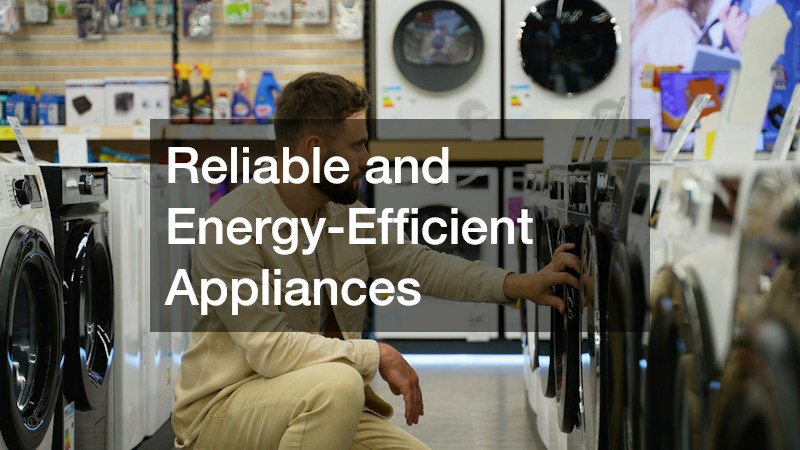
Major appliances influence how comfortably and efficiently a household functions. Refrigerators, ovens, dishwashers, washers, dryers, and other frequently used appliances may gradually develop performance problems as components wear.
Professional appliance repair services can help homeowners determine whether malfunctioning equipment can be repaired or whether replacement should be considered. Repairing a relatively new appliance may be practical when one component has failed, while repeatedly repairing aging equipment can eventually become less appealing.
Homeowners considering replacement should compare more than appearance. Size, capacity, energy use, available features, reliability, and compatibility with the existing space can all influence the decision.
Consistency can improve the appearance of kitchens and laundry areas as well. Appliances do not necessarily need to be identical, but a coordinated collection can make the room look more intentional.
Before selling a home, homeowners should make sure appliances included with the property function as expected. An impressive kitchen can quickly lose some of its appeal if a buyer discovers that important equipment does not operate properly.
Maintaining existing appliances and replacing them strategically can improve everyday convenience while supporting the functionality buyers often expect from a well-maintained property.
Clean and Well-Maintained Carpeting
Flooring covers a substantial portion of the interior, so its condition can strongly influence a person’s first impression. Carpet that is visibly stained, worn, or holding unpleasant odors may make an otherwise attractive room feel less maintained.
Hiring a professional carpet cleaner can refresh carpeting that remains structurally sound but has accumulated dirt and stains from regular household use. Deep cleaning may be particularly worthwhile in high-traffic spaces such as hallways, family rooms, stairs, and bedrooms.
Homeowners should first evaluate whether cleaning is sufficient. Carpet with extensive wear, permanent staining, damaged padding, or other significant deterioration may need more than routine maintenance.
Regular vacuuming, prompt treatment of spills, and the use of mats near entrances can help maintain carpeting between deeper cleanings. Households with children or pets may need more frequent attention depending on usage.
When preparing a home for guests or potential buyers, clean flooring can help rooms feel fresher without requiring an extensive renovation. Maintaining carpet also allows homeowners to get more useful life from existing materials before replacement becomes necessary.
Professional Repairs After Water Damage
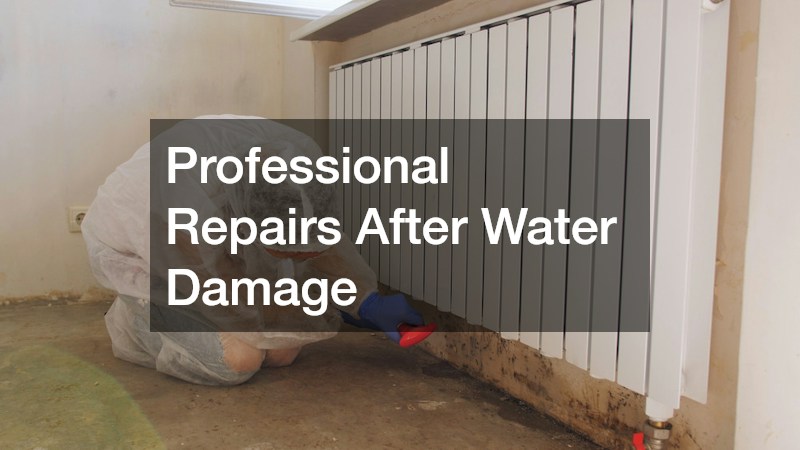
Water damage can affect much more than appearance. A leaking pipe, failed appliance, damaged roof, or severe weather event can expose drywall, flooring, insulation, cabinetry, and structural materials to moisture.
A professional water damage restoration company can evaluate affected areas and determine what can be dried, cleaned, restored, or replaced. Prompt action is important because moisture can move beyond the area where water is initially visible.
The source must also be corrected. Replacing damaged drywall without repairing the leaking pipe or roof above it simply leaves the property vulnerable to another incident.
Homeowners should keep documentation of significant restoration work, including photographs, invoices, and information about repairs. These records can provide useful context about what happened and how the problem was addressed.
Visible staining or unfinished repairs can raise questions about the condition of a property. Proper restoration addresses both the immediate damage and the materials affected by it.
Protecting a home’s value means taking moisture seriously. A professional response can help homeowners address the underlying problem instead of simply hiding visible evidence with new paint or flooring.
A Strong and Well-Maintained Roof
The roof is one of the home’s primary defenses against weather. Its condition can influence not only exterior appearance but also the health of attic materials, ceilings, insulation, walls, and other areas inside the structure.
A professional roof repair contractor can evaluate missing or damaged shingles, flashing concerns, leaks, deteriorated seals, and other localized problems. Addressing these issues early may prevent moisture from reaching materials beneath the roof.
Homeowners should also watch for warning signs inside the house. Ceiling stains, attic moisture, peeling paint, or recurring dampness can indicate a problem requiring investigation.
Routine inspections become particularly valuable as roofing materials age or after significant storms. Not every problem requires complete replacement, and smaller repairs may extend the useful life of an otherwise serviceable system.
When selling a property, the roof can become an important consideration because buyers know replacement represents a significant expense. Maintaining it throughout homeownership may be preferable to allowing years of deferred repairs to accumulate immediately before the property is listed.
A Reliable and Updated Sewer System

Some of the most valuable home investments are nearly invisible. Sewer lines are a good example. Homeowners may rarely think about them until slow drains, backups, odors, or other problems begin disrupting daily life.
Depending on the condition of the system, sewer line replacement may become necessary when an existing line has significant deterioration or damage that cannot be addressed adequately through less extensive repairs. Professional evaluation can help determine the actual cause before major work begins.
Problems can vary depending on the material, age, soil conditions, nearby trees, and other property characteristics. Because several plumbing symptoms can have different causes, homeowners should avoid assuming that every slow drain indicates a failed sewer line.
If replacement becomes necessary, homeowners can maintain records of the completed work. Documentation of major infrastructure improvements may be useful when tracking the condition and maintenance history of the property.
Although sewer upgrades may not provide the visual excitement of a renovated kitchen, reliable wastewater infrastructure is fundamental to a functional home. Investing in essential systems can prevent problems that would otherwise affect everyday use and potentially damage other areas.
Effective Protection Against Household Pests
Pests can create both immediate frustration and longer-term property concerns. Different insects and animals can enter homes through small gaps, moisture-prone areas, attics, crawl spaces, basements, and other vulnerable locations.
Professional pest control solutions can help identify the type of pest involved and develop an appropriate response. Treatment should be based on the specific problem rather than relying on a single method for every situation.
Prevention is also important. Homeowners can reduce potential entry points by addressing gaps around appropriate exterior openings, maintaining landscaping, managing moisture, and storing food properly. The exact preventative measures depend on the pest and construction of the home.
Certain infestations may affect building materials, while others primarily create sanitation or comfort concerns. Either situation can make a property less appealing if the problem is allowed to continue.
Routine awareness can help homeowners respond before an infestation becomes widespread. Pest management may not be the most visible home-value improvement, but protecting the property from unwanted occupants supports the overall condition and comfort of the house.
Quality Roofing Materials and Maintenance
A strong roof depends not only on repairs but also on the quality and condition of the complete roofing system. When replacement eventually becomes necessary, material selection and installation quality can influence long-term performance.
A professional roofing service can help homeowners understand available materials and how different options fit the design, climate, slope, and needs of the property. Appearance matters, but durability, maintenance requirements, warranty coverage, and installation details should also influence the decision.
Roofing should be considered as a system rather than simply a visible surface. Flashing, underlayment, ventilation, penetrations, decking, and drainage all contribute to performance.
Homeowners planning other exterior improvements should coordinate those projects with the condition of the roof. New gutters, siding, or other features may interact with roofing components, making project sequencing important.
A well-maintained roof can also strengthen curb appeal. Clean, consistent roofing materials help create a finished exterior appearance while performing the much more important job of protecting the structure beneath them.
An Efficient and Dependable Heating System
Comfort is an important part of how people experience a home. A heating system that struggles to maintain temperatures, operates unpredictably, or frequently requires repairs can make the property less comfortable and create concerns about future expenses.
Professional Heating services can help maintain equipment and investigate changes in performance. Depending on the system, maintenance may involve inspections, cleaning, adjustments, or identification of worn components.
Homeowners should pay attention to unusual sounds, inconsistent temperatures, frequent cycling, or unexpected changes in operation. Addressing problems promptly can provide a clearer understanding of whether repair or eventual replacement should be considered.
Heating performance also depends on the building itself. Insulation, windows, doors, ductwork, air sealing, and thermostat controls can all influence comfort and energy use.
If equipment replacement becomes necessary, homeowners can compare appropriately sized systems and available efficiency options rather than simply purchasing based on price.
A dependable heating system may not transform the appearance of a room, but it affects the comfort of the entire property. Maintaining essential mechanical equipment is therefore an important part of protecting a home’s usefulness and overall appeal.
Updated and Reliable Plumbing
Plumbing is another system that homeowners often appreciate most when it works without attracting attention. Leaks, low water pressure, deteriorated pipes, running toilets, and unreliable fixtures can quickly make a home less convenient.
Professional plumbing companies can evaluate recurring problems and recommend appropriate repairs or upgrades. Homeowners should prioritize active leaks because even small amounts of water can damage cabinets, flooring, drywall, and other surrounding materials over time.
Renovations can create opportunities to update plumbing strategically. If walls or floors are already open during a kitchen or bathroom project, homeowners may be able to address known plumbing concerns before new finishes are installed.
Fixtures can also contribute to both appearance and function. Replacing worn or unreliable faucets, toilets, or other components can refresh rooms without requiring a complete remodel.
Homeowners should know the location of the main water shutoff and maintain records of significant plumbing work. A reliable system protects the home from avoidable water damage while helping kitchens, bathrooms, laundry areas, and other essential spaces function properly.
Custom Upgrades That Improve the Entire Home
Some homeowners reach a point where individual repairs and small renovations are no longer enough to create the property they want. Major renovations or customized construction can provide an opportunity to rethink how the entire home functions.
Professional custom home building can incorporate features based on the household’s specific priorities, including layouts, storage, energy efficiency, accessibility, materials, and future needs. Similar principles can guide extensive renovations of existing properties.
Homeowners should focus on improvements that make sense for the house rather than assuming every expensive upgrade will automatically increase its value by the same amount. A well-designed kitchen, improved primary suite, additional storage, better traffic flow, or functional living space may provide greater everyday benefits than highly specialized features with limited appeal.
Cohesion is important during large projects. Flooring, cabinetry, trim, lighting, colors, and architectural details should relate to one another so the completed home feels intentionally designed.
Custom improvements are most successful when they balance personal preferences with practical functionality. The goal should be a home that serves the household well while maintaining durable, thoughtful features that can remain useful for years.
Improving home value is rarely about finding one project that transforms the property overnight. A stronger approach is to invest consistently in the systems, materials, and spaces that determine how well the house functions and how carefully it appears to have been maintained.
Essential systems deserve particular attention. Roofing, plumbing, sewer lines, heating equipment, and appliances support everyday life and can become expensive problems when maintenance is repeatedly postponed. Addressing water damage and pest concerns promptly can also help protect other parts of the property from deterioration.
Appearance still matters. Clean carpeting, maintained roofing, updated fixtures, and cohesive renovations can make a home feel more inviting. However, cosmetic improvements are most effective when the underlying systems are already dependable. Installing beautiful new finishes over unresolved moisture, plumbing, or structural problems can create additional expenses later.
Homeowners should prioritize projects based on the actual condition of their property. A newer house may benefit most from routine maintenance and selective upgrades, while an older property could require larger investments in infrastructure before decorative improvements make sense.
Records of major repairs and upgrades can also help homeowners understand what has been completed and when future maintenance may be necessary. Keeping invoices, warranties, installation dates, and inspection reports creates a useful history of the property.
Ultimately, a valuable home is one that combines comfort, reliability, functionality, and thoughtful design. By maintaining essential systems, responding to damage promptly, and choosing upgrades that improve everyday living, homeowners can protect their investment while creating a property that remains appealing and functional for years to come.
